Movie Review: ‘Star Wars: The Mandalorian and Grogu’ Makes a Clumsy Big-Screen Debut
‘Star Wars: The Mandalorian and Grogu’ brings the beloved Disney+ duo to theaters with impressive visuals and nostalgic action, but uneven pacing, weak storytelling, and excessive fan service prevent the film from reaching its full cinematic potential.
Peter Lawson|Senior Editor
May. 20, 2026

Lucasfilm’s long-awaited return to theaters with “Star Wars: The Mandalorian and Grogu” arrives carrying enormous expectations, enormous nostalgia, and enormous pressure. After years of dominating streaming through Disney+, Din Djarin and Grogu finally make their jump to the big screen in a film that attempts to merge episodic storytelling with blockbuster spectacle. The result is visually ambitious and occasionally entertaining, but ultimately uneven — a movie that struggles to justify its cinematic scale while leaning too heavily on familiarity, fan service, and emotional shortcuts. Directed with clear affection for the Star Wars universe, “The Mandalorian and Grogu” is never short on visual imagination or franchise reverence. Yet despite moments of charm and action-packed excitement, the film often feels more like an extended streaming event than a fully realized theatrical experience. From the opening sequence, the movie attempts to establish a larger scope than the Disney+ series ever had. Massive starships dominate the screen, alien worlds are rendered with stunning detail, and the sound design reminds audiences why Star Wars has always belonged in theaters. Din Djarin, once again portrayed by Pedro Pascal, remains the stoic heart of the story, balancing his hardened bounty hunter persona with his evolving father-son relationship with Grogu. Grogu himself continues to be one of the franchise’s most marketable and emotionally effective creations, effortlessly drawing audience reactions through expressive gestures, comedic timing, and adorable moments that clearly aim to replicate the crowd-pleasing appeal that made the character a global phenomenon. For longtime fans of the series, seeing the duo together on a giant screen undeniably carries emotional weight. However, the film quickly reveals one of its biggest weaknesses: it struggles to escape the storytelling habits of television. Rather than presenting a tightly constructed cinematic narrative with meaningful escalation and thematic depth, “The Mandalorian and Grogu” often unfolds like several streaming episodes stitched together into a single runtime. Scenes frequently feel episodic, with side missions, detours, and supporting character appearances interrupting narrative momentum instead of enhancing it. The pacing becomes increasingly inconsistent as the film jumps between action set pieces, emotional beats, and lore-heavy exposition without finding a satisfying rhythm. One of the movie’s central problems is its reliance on audience familiarity with previous Disney+ content. While technically accessible to newcomers, the emotional stakes and character relationships depend heavily on viewers already understanding years of backstory from “The Mandalorian,” “The Book of Boba Fett,” and other interconnected Star Wars series. Instead of crafting a standalone cinematic journey, the film often assumes emotional investment rather than earning it organically within its own runtime. This creates an awkward imbalance where dedicated fans may appreciate references and returning characters, while casual moviegoers could feel disconnected or overwhelmed by lore-driven storytelling. The screenplay introduces a new galactic threat involving remnants of the Empire attempting to harness dangerous ancient technology tied to the Force. On paper, the setup sounds promising, combining Star Wars mythology with the western-inspired adventure tone that made “The Mandalorian” successful. Yet the execution rarely reaches the emotional or dramatic heights necessary to make the conflict feel urgent. The villains lack complexity and memorable presence, functioning more as narrative devices than compelling antagonists. Unlike iconic Star Wars villains who leave lasting impressions through charisma, ideology, or menace, the enemies here feel generic and underdeveloped. Their motivations are explained mostly through exposition dumps, and their threat level never fully convinces despite the film’s insistence that the galaxy hangs in the balance. Pedro Pascal continues delivering a quietly effective performance beneath Din Djarin’s armor, communicating emotion through voice work and physical presence despite limited facial visibility. His chemistry with Grogu remains the movie’s strongest asset, particularly during quieter scenes where the film pauses long enough to focus on their bond rather than rushing toward the next action sequence. Those moments capture the emotional simplicity that originally made “The Mandalorian” resonate with audiences. Din’s reluctant transformation from lone bounty hunter into protective father figure still carries genuine warmth, and Grogu’s innocence continues grounding the story emotionally amid the chaos of galactic conflict. Unfortunately, the movie often interrupts these quieter emotional moments with unnecessary fan-service appearances and references clearly designed to provoke applause rather than serve the narrative. Familiar characters from across the Star Wars universe appear throughout the film, some briefly and others more significantly, but many inclusions feel distractingly forced. Instead of strengthening the story, these cameos frequently remind viewers of better or more emotionally coherent Star Wars projects. The film becomes so concerned with maintaining connections to the larger franchise ecosystem that it neglects developing its own identity as a standalone cinematic experience. Visually, however, the movie undeniably succeeds in many areas. The production design captures the worn-in texture and lived-in atmosphere that define Star Wars at its best. Alien cities bustle with detail, practical creature effects blend effectively with CGI environments, and several action scenes deliver the kind of large-scale spectacle fans expect from a theatrical Star Wars release. A mid-film chase sequence through a collapsing industrial planet stands out as one of the movie’s highlights, combining practical stunt work, impressive visual effects, and genuine tension. The sound design and musical score also elevate several sequences beyond what the script itself accomplishes. Ludwig Göransson’s musical influence from the series remains present, though the film occasionally struggles to balance familiar Mandalorian themes with the grand orchestral expectations traditionally associated with Star Wars cinema. The action itself is entertaining but rarely innovative. Blaster fights, spaceship battles, and hand-to-hand combat sequences are staged competently, yet many moments feel strangely repetitive due to the film’s episodic structure. Every time momentum begins building toward something emotionally meaningful, another action sequence interrupts before scenes fully breathe. This constant movement creates the illusion of excitement without always delivering genuine narrative progression.
The movie’s humor is similarly inconsistent. Grogu’s antics generate several genuinely funny reactions from audiences, and some banter between supporting characters lands effectively. However, other comedic moments feel awkwardly timed, undercutting dramatic tension instead of complementing it. Modern Star Wars projects frequently struggle balancing humor with emotional sincerity, and “The Mandalorian and Grogu” falls into that same trap repeatedly. Tonally, the film often seems uncertain whether it wants to function as a nostalgic family adventure, a gritty western-inspired action story, or a mythology-heavy epic expanding the Star Wars universe. Rather than blending those tones seamlessly, the movie shifts awkwardly between them, resulting in an inconsistent viewing experience. One particularly frustrating aspect of the film is its unwillingness to take meaningful creative risks. Despite being positioned as Star Wars’ return to theatrical storytelling after years away from cinemas, the movie plays things remarkably safe. The plot follows familiar franchise patterns, emotional beats are predictable, and major twists can often be anticipated long before they occur. The film clearly prioritizes maintaining franchise comfort over challenging audiences or pushing the universe in bold new directions. While nostalgia has always been part of Star Wars, “The Mandalorian and Grogu” depends on it so heavily that it occasionally feels creatively trapped by its own reverence for the past. The movie’s climax exemplifies many of its strengths and weaknesses simultaneously. Visually spectacular and packed with action, the final battle delivers crowd-pleasing moments, heroic sacrifices, and emotionally charged reunions designed to satisfy longtime fans. Yet despite the impressive visuals and dramatic music, the emotional impact feels surprisingly muted because the narrative groundwork leading there remains underdeveloped. The film wants audiences to feel epic emotional catharsis, but it often relies on pre-existing affection for the franchise instead of earning those emotions organically through its own storytelling. By the end, viewers may feel entertained in the moment yet strangely unsatisfied afterward. The movie constantly gestures toward emotional depth and mythological significance without fully committing to either. Supporting performances vary in effectiveness. Some actors bring charisma and personality to relatively thinly written roles, while others feel underutilized entirely. Several potentially interesting characters are introduced only to disappear for long stretches before returning abruptly during major action scenes. The screenplay seems more interested in maintaining franchise connectivity than developing memorable individual arcs. As a result, few supporting characters leave lasting impressions beyond their visual designs or nostalgic value. The film’s greatest challenge may simply be the transition from streaming to cinema itself. “The Mandalorian” succeeded originally because its episodic format allowed slower pacing, smaller character moments, and serialized adventures that gradually built emotional investment over time. Compressing that storytelling style into a single blockbuster runtime exposes structural weaknesses that television previously disguised. The intimacy that worked beautifully on streaming becomes diluted when stretched into spectacle-heavy cinematic storytelling. Rather than feeling like a bold evolution for the franchise, the movie often resembles an expensive season premiere projected onto a massive screen. That does not mean the film lacks entertainment value. Fans invested deeply in Din Djarin and Grogu will likely enjoy spending more time with the characters, and younger audiences especially may respond positively to the humor, action, and emotional simplicity. Certain sequences genuinely capture the adventurous spirit that has defined Star Wars for generations. There is still undeniable charm in watching Din and Grogu navigate dangerous worlds together, and the central relationship retains enough emotional sincerity to carry weaker sections of the film. But as a theatrical event meant to signal a triumphant new era for Star Wars cinema, “The Mandalorian and Grogu” ultimately feels disappointingly cautious and creatively uneven. It delivers spectacle without enough substance, nostalgia without enough innovation, and emotion without enough narrative depth. The movie is not a disaster by any means. It is professionally made, visually polished, and intermittently exciting. Yet it never fully justifies why this story specifically needed the cinematic treatment rather than another season on Disney+. For a franchise once defined by groundbreaking ambition and mythic storytelling, that limitation feels especially disappointing. “The Mandalorian and Grogu” succeeds best when focusing narrowly on its central duo and their evolving bond. Whenever the film pauses long enough to let Din and Grogu simply exist together within the vast Star Wars universe, the emotional magic briefly returns. Unfortunately, those moments are too often buried beneath excessive franchise obligations, convoluted lore, and formulaic blockbuster structure. In the end, the film serves as a reminder of both the enduring strengths and growing creative challenges facing modern Star Wars. Audiences may leave the theater smiling at familiar faces, thrilling visuals, and Grogu’s irresistible charm, but they may also leave wondering whether the franchise’s future requires more than nostalgia and safe storytelling to truly feel special again.
POPULAR
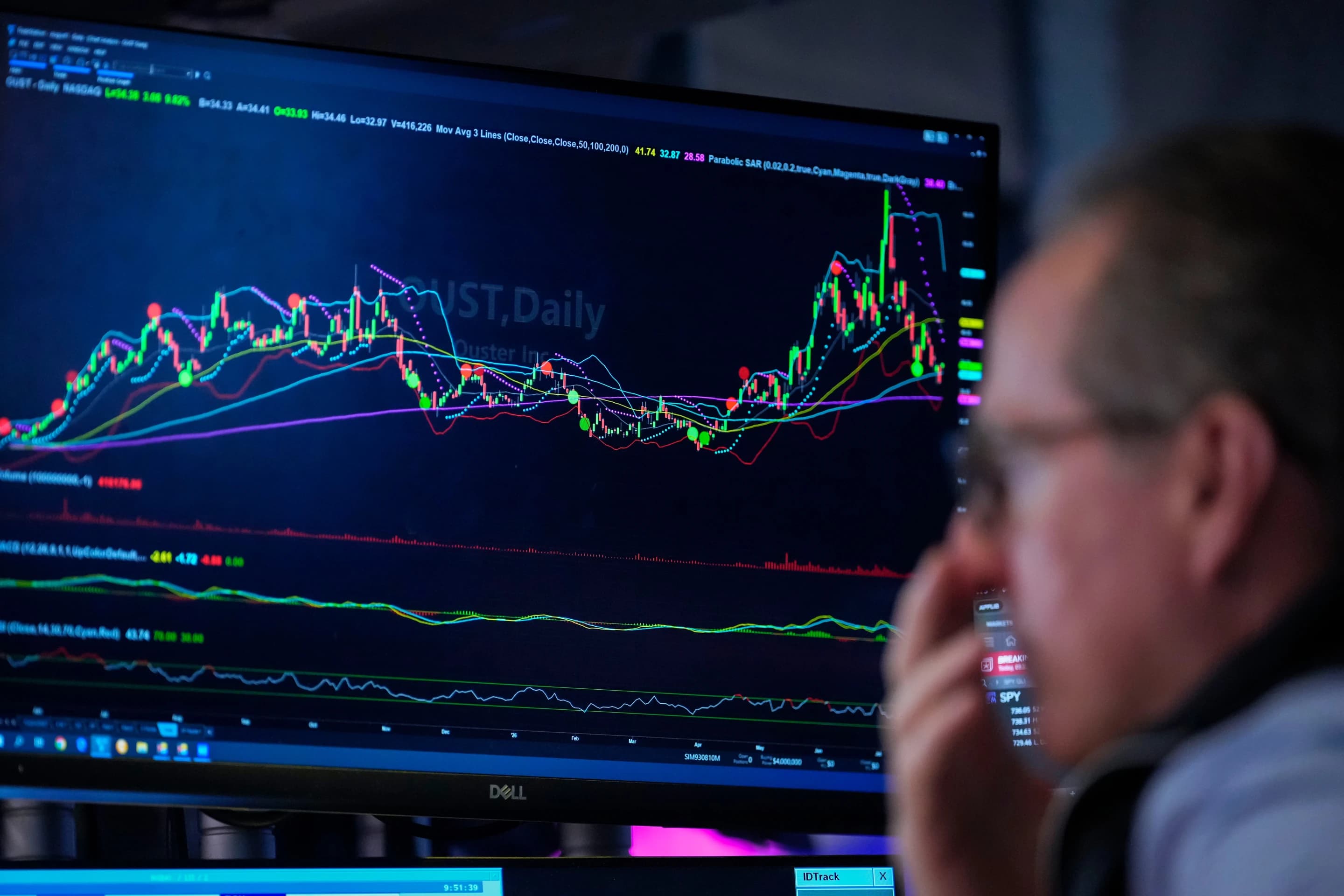
US Stocks Rally Near Record Highs as Falling Oil Prices Ease Inflation Concerns on Wall Street

Houthis Attack Two Saudi Oil Tankers in Red Sea, Raising Fears of New Front in Iran War