U.S

Trump Administration Touts Iran Trade Deal as Boost for US Farmers, but Tehran Rejects Claim

The Trump administration promoted a reported agreement with Iran as a major opportunity for American farmers and agricultural exporters, but Iranian officials quickly denied that any such trade arrangement had been finalized, creating uncertainty over the status of the proposed deal.

Julia Thompson|Technology Reporter
June. 24, 2026
Share
Trump Administration Touts Iran Trade Deal as Boost for US Farmers, but Tehran Rejects Claim

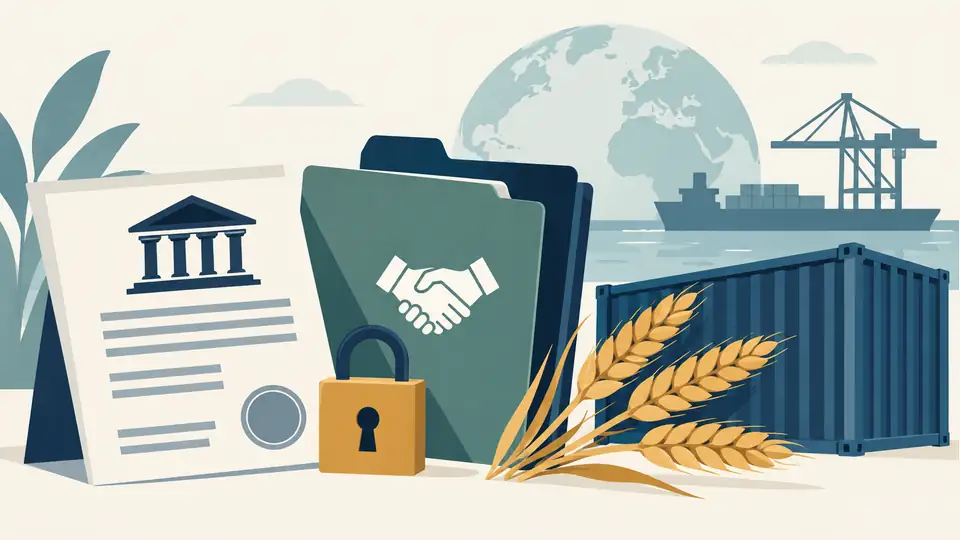
The Trump administration has presented a proposed economic arrangement with Iran as a significant victory for American farmers and agricultural exporters, arguing that the agreement could open valuable new markets for U.S. agricultural products and provide economic benefits to rural communities across the country. However, Iranian officials have publicly disputed the administration’s characterization of the agreement, insisting that no finalized trade deal exists and casting doubt on claims that a breakthrough has been achieved. The conflicting accounts have generated confusion among policymakers, market participants, and agricultural stakeholders who are seeking clarity about the future of economic relations between Washington and Tehran. The disagreement emerged shortly after senior administration officials highlighted what they described as an opportunity for American agriculture to expand exports to Iran following diplomatic discussions aimed at reducing tensions between the two countries. According to U.S. officials, the arrangement could potentially facilitate increased sales of agricultural commodities, including grains, soybeans, corn, wheat, livestock feed, and other farm products. Administration representatives emphasized that American farmers have faced significant challenges in recent years due to fluctuating commodity prices, global competition, changing weather patterns, and trade disruptions, making access to additional export markets particularly important. Officials argued that opening new avenues for agricultural commerce could help strengthen farm incomes and support rural economies that play a critical role in the broader U.S. economic landscape. President Donald Trump and members of his administration have repeatedly highlighted trade expansion as a central component of their economic agenda. The administration has sought to frame any progress in relations with Iran not only as a diplomatic achievement but also as a practical economic benefit for American workers and businesses. Supporters of the administration contend that reducing barriers to trade can create new opportunities for exporters while strengthening the United States' position in international markets. Within this context, the prospect of increased agricultural exports to Iran has been promoted as a tangible example of how diplomatic engagement could produce economic gains. Yet Iranian officials quickly challenged the administration’s narrative. Representatives in Tehran stated that no formal agreement granting broad access for American agricultural products had been approved and that discussions between the two countries had been mischaracterized by U.S. officials. Iranian authorities stressed that while various diplomatic and economic issues may be under discussion, reports suggesting a finalized trade arrangement were inaccurate. The denial raised questions about whether the administration may have overstated the progress achieved during negotiations or whether differences in interpretation exist regarding the status of ongoing talks. The dispute highlights the longstanding complexity of U.S.-Iran relations, which have been shaped by decades of political tensions, economic sanctions, security concerns, and diplomatic confrontations. Since the 1979 Iranian Revolution, relations between the two nations have remained strained, with periods of engagement often interrupted by disputes over nuclear activities, regional security issues, and human rights concerns. Economic sanctions imposed by the United States have significantly restricted trade and financial interactions between the two countries, making any discussion of expanded commerce politically sensitive and subject to extensive regulatory scrutiny. Agricultural trade occupies a unique position within the broader framework of U.S.-Iran economic relations. Even during periods of heightened tensions, certain agricultural and humanitarian products have been permitted under specific exemptions to sanctions regimes. Food products, medical supplies, and humanitarian goods have often been treated differently from other categories of trade because of concerns about civilian welfare. As a result, limited agricultural transactions have occasionally continued despite broader restrictions affecting other sectors of the economy. However, expanding such trade on a larger scale would likely require substantial policy coordination and regulatory approval. American farm organizations have responded cautiously to reports of a potential agreement. Many agricultural groups welcomed the possibility of increased export opportunities but emphasized the need for concrete details before assessing the potential economic impact. Farmers and commodity exporters are particularly interested in understanding what products would be eligible for export, what financial mechanisms would be used to facilitate transactions, and whether sanctions-related restrictions could create practical barriers to trade. Industry representatives noted that market access agreements can only deliver meaningful benefits if they provide stable, predictable conditions that allow businesses to plan investments and establish long-term commercial relationships. Analysts also pointed out that Iran represents a potentially significant market for agricultural imports due to its large population and ongoing demand for food products. The country has periodically relied on imported agricultural commodities to supplement domestic production, particularly during periods of drought, economic disruption, or supply shortages. Access to American agricultural goods could provide Iranian buyers with additional sourcing options, while U.S. producers could benefit from increased export demand. However, experts cautioned that political uncertainties and regulatory challenges could limit the practical implementation of any trade arrangement even if both governments ultimately support expanded commerce. Financial markets reacted cautiously to the conflicting statements.

Agricultural commodity traders monitored developments closely, although most major commodity prices experienced only modest movements as investors waited for more definitive information. Market participants generally viewed the situation as too uncertain to justify significant adjustments in pricing expectations. Analysts noted that meaningful changes in commodity demand would likely require a formal and clearly defined agreement rather than preliminary political statements. The disagreement has also generated debate within Washington. Supporters of the administration argued that negotiations often involve evolving discussions and that public statements can reflect ongoing efforts rather than finalized outcomes. Critics, however, accused the administration of presenting an overly optimistic picture of diplomatic progress without sufficient evidence that an agreement had actually been reached. Some lawmakers called for greater transparency regarding the nature of discussions with Iran and the specific commitments, if any, that had been made by either side. Foreign policy experts suggested that the conflicting narratives may reflect broader strategic considerations. The Trump administration may view publicizing potential economic benefits as a way to build domestic support for diplomatic initiatives, particularly among agricultural communities that have been affected by trade disruptions in recent years. Iranian officials, meanwhile, may face domestic political pressures that discourage them from appearing overly eager to engage economically with the United States. As a result, public messaging from both governments may be influenced by internal political considerations as well as the substance of negotiations themselves. The situation also underscores the challenges associated with negotiating agreements in a highly politicized international environment. Diplomatic discussions frequently involve multiple stakeholders, complex legal frameworks, and evolving policy objectives. Differences in interpretation can emerge even when negotiations are progressing constructively. In some cases, governments may choose to emphasize different aspects of a discussion to address domestic audiences or advance strategic objectives. Such dynamics can complicate efforts to assess the true status of diplomatic initiatives. Agricultural economists noted that any meaningful increase in exports to Iran would likely take time to develop. Even if policy barriers were reduced, exporters would need to establish supply chains, secure financing arrangements, comply with regulatory requirements, and build commercial relationships with buyers. These processes can take months or even years to fully implement. Consequently, the immediate economic impact of any agreement would likely be limited, with larger benefits emerging only over the longer term if trade flows become established and sustainable. The broader geopolitical context remains equally important. Relations between the United States and Iran continue to be influenced by regional security concerns, nuclear negotiations, military developments, and alliances involving other countries in the Middle East. Economic initiatives cannot be considered in isolation from these broader strategic factors. A deterioration in diplomatic relations could quickly undermine trade discussions, while progress on other issues could create opportunities for expanded economic cooperation. As a result, businesses and investors are likely to remain cautious until greater certainty emerges regarding the overall direction of bilateral relations. For American farmers, the potential opening of another export market is undeniably attractive. Agricultural producers have consistently sought expanded access to international buyers as a way to diversify revenue sources and reduce dependence on any single market. Export growth has historically played a crucial role in supporting farm incomes, employment, and investment across rural America. Whether Iran ultimately becomes a significant destination for U.S. agricultural products will depend on a combination of diplomatic progress, regulatory decisions, market conditions, and political developments in both countries. Until those questions are resolved, uncertainty is likely to persist. The administration’s claims of a breakthrough have generated optimism among some supporters but skepticism among others, particularly in light of Tehran’s firm denial that a finalized agreement exists. The coming weeks and months may provide greater clarity as officials continue discussions and additional details emerge regarding the nature of any proposed economic arrangements. For now, the episode serves as a reminder of the complexities involved in international diplomacy and trade policy. While the prospect of increased agricultural exports offers potential benefits for American farmers and businesses, translating political discussions into concrete commercial opportunities remains a challenging process. Whether the reported agreement ultimately becomes a reality or proves to be an overstatement of ongoing negotiations, the debate has already highlighted the economic and political significance of agricultural trade in shaping relations between the United States and Iran.

Share this article

Leave a Comment

Your email address will not be published. Required fields are marked *

POPULAR

‘Toy Story 5’ Scores Franchise-Best Opening With Record $160 Million Box Office Debut

‘Toy Story 5’ Scores Franchise-Best Opening With Record $160 Million Box Office Debut

Asian Shares Retreat in Thin Holiday Trading After Tech-Led Rally on Wall Street

Asian Shares Retreat in Thin Holiday Trading After Tech-Led Rally on Wall Street

City’s Push for Facial Recognition on Public Buses Sparks Security and Privacy Debate

City’s Push for Facial Recognition on Public Buses Sparks Security and Privacy Debate

Federal Prosecutors Charge 15 People With Impeding Agents During Minnesota Immigration Crackdown

Federal Prosecutors Charge 15 People With Impeding Agents During Minnesota Immigration Crackdown

Related News