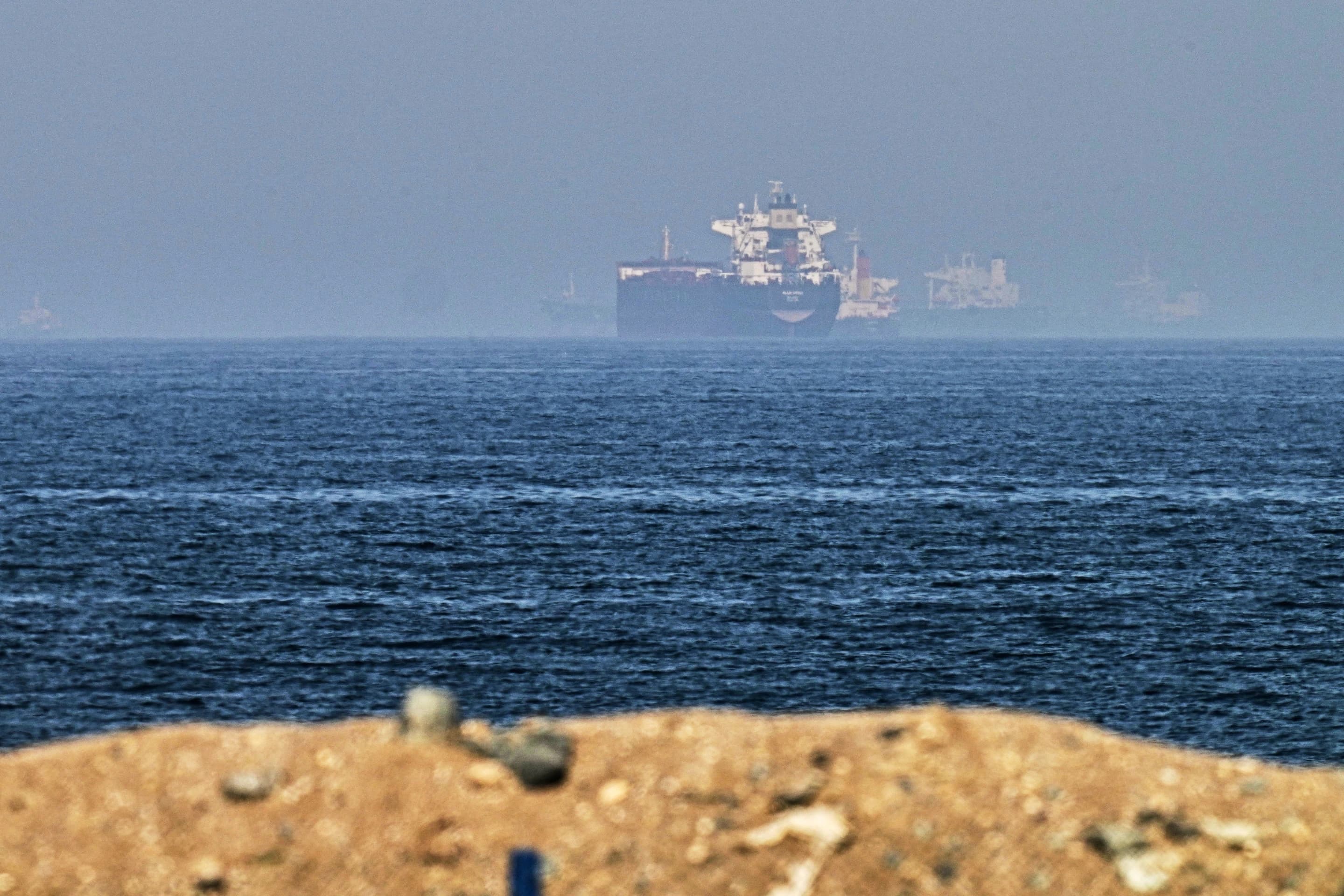
US diesel prices hit a record high of $5.85 on average as the Iran war disrupts the flow of fuel
U.S. diesel fuel prices surged to an unprecedented national average of $5.85 per gallon as escalating military hostilities involving Iran disrupt vital maritime shipping lanes and international distillate fuel supplies, placing immense strain on the nation's trucking, freight, and agricultural supply chains.
Julia Thompson|National News Reporter
Sep. 4, 2026

The national average price for diesel fuel across the United States has surged to an all-time record of $5.85 per gallon, sending shockwaves through the transportation sector and compounding inflation concerns across the broader American economy. The dramatic spike follows escalating military conflict in the Middle East centered on Iran, which has severely disrupted commercial shipping corridors through the Persian Gulf and choked off vital maritime flows of crude oil and refined petroleum products. Data released by the Energy Information Administration and the American Automobile Association confirmed the historic milestone, highlighting an abrupt rise of more than sixty cents in a matter of days as global energy exchanges responded frantically to supply bottlenecks and surging security risks. The unprecedented surge in diesel prices presents an acute threat to the United States' logistics backbone. Unlike regular retail gasoline, which primarily powers passenger automobiles, ultra-low sulfur diesel serves as the primary lifeblood of commercial transport, powering long-haul freight trucks, intermodal railroads, maritime cargo vessels, and municipal transit fleets. According to industry estimates from the American Trucking Associations, commercial vehicles move more than seventy percent of all domestic freight by weight. With diesel representing the single largest operational expense for fleet operators alongside labor, the sudden price surge is forcing transport companies to implement aggressive emergency fuel surcharges, costs that will inevitably be transferred to manufacturers, wholesalers, and everyday retail consumers. The geopolitical crisis precipitated by the Iran conflict has exerted an outsized impact on distillate fuels compared to baseline crude petroleum. Energy analysts explain that the Strait of Hormuz, through which roughly one-fifth of the world’s petroleum consumption normally passes, has become virtually impassable for standard commercial tankers without exorbitant war-risk insurance premiums or dedicated naval escorts. Simultaneously, retaliatory strikes and drone attacks targeting regional refining hubs and oil transport infrastructure have forced multiple Middle Eastern refineries to curtail their output or shut down operations entirely. International traders have consequently scrambled to secure available distillate barrels from European and North American refiners, pulling domestic inventories in the United States down to critically low seasonal levels not seen in decades. The economic repercussions extend far beyond highways and logistics depots, directly threatening the American agricultural sector at a uniquely delicate moment in the seasonal calendar. Across the Midwest and Great Plains, farmers are preparing for the autumn harvest, an operation heavily reliant on heavy diesel-powered machinery, including combines, tractors, grain dryers, and bulk hauling trucks. Agricultural economists warn that soaring fuel overhead will severely erode farm margins already squeezed by fluctuating commodity prices and high borrowing rates. Higher diesel expenditures during harvest and distribution will inevitably contribute to persistent food price inflation at supermarkets nationwide, complicating efforts by the Federal Reserve to stabilize consumer price indices. Regional variations across the country reflect even more staggering price spikes for commercial drivers. In states with stringent environmental standards and higher local fuel taxes, pump prices have already eclipsed the national average by substantial margins.
In California and Washington state, average diesel prices have breached $6.75 per gallon, with some metropolitan truck stops reporting retail figures exceeding $7.20. Even in the Gulf Coast region, traditionally the cheapest fuel market in North America due to its proximity to major refining capacity, diesel has crossed $5.40 per gallon as refineries divert output to meet urgent export contracts and domestic pipeline allocations. Independent truck drivers and small fleet owners are feeling the immediate brunt of the crisis. Many independent owner-operators operate on paper-thin profit margins, lacking the massive hedging contracts and bulk-purchase volume discounts negotiated by large national shipping corporations. Representatives for independent truckers warn that without rapid price stabilization or targeted regulatory relief, thousands of independent operators could be forced to park their rigs, leading to capacity shortages and supply bottlenecks across nationwide shipping corridors. The cascading effect threatens to delay the delivery of consumer electronics, automotive parts, apparel, and construction materials just ahead of the peak autumn retail restocking window. In Washington, lawmakers and administration officials are facing mounting pressure from industry coalitions and business organizations to intervene. Emergency meetings between the Department of Energy, the Department of Transportation, and key supply chain leaders have focused on potential mitigation measures. Proposed emergency interventions include waiving specific seasonal fuel formulation requirements, granting temporary exemptions under the Jones Act to facilitate coastal fuel shipments between domestic ports, and considering targeted drawdowns from regional petroleum stockpiles, such as the Northeast Home Heating Oil Reserve. However, energy market experts caution that government reserves remain constrained and that strategic releases provide only short-term psychological relief rather than replacing structural shortages caused by an active international war. The crisis has also reignited fierce political debates on Capitol Hill over energy policy and national security. Lawmakers advocating for domestic production are calling for expedited permits for domestic oil and gas extraction, refinery modernization incentives, and the immediate rollback of federal regulatory constraints. Conversely, proponents of renewable infrastructure argue that the price shock underscores the urgent necessity of accelerating the transition to commercial electric vehicles, zero-emission freight corridors, and alternative renewable fuels to insulate the domestic economy from foreign geopolitical conflicts. Financial markets have reacted with heightened volatility, with transportation and logistics stocks tumbling while energy conglomerates and domestic refining equities notched steep gains. Macroeconomists caution that if the Iran conflict persists and diesel remains near or above six dollars per gallon for an extended period, the resulting cost-push inflation could damp consumer spending, compress corporate earnings, and renew fears of economic stagflation. As international diplomatic efforts struggle to de-escalate hostilities in the Persian Gulf, American businesses and consumers are bracing for a prolonged period of elevated energy expenses that will be felt across every aisle of the retail marketplace.
POPULAR

Rescuers Saved Some 80 People in Grand Canyon Floods That Left 2 Dead and 1 Missing, Officials Say

Nepal-China Flood Survivors Reach Safe Areas as Families Await News of Nearly 3,000 Missing