Trump Signals Uncertain Strategy as U.S.–Iran War Enters Critical Phase
U.S. President Donald Trump has delivered mixed signals about the future of the ongoing conflict with Iran, alternating between optimism for diplomacy and warnings of further military escalation as global tensions rise.
Allison Carter|Business & Finance Writer
April. 21, 2026

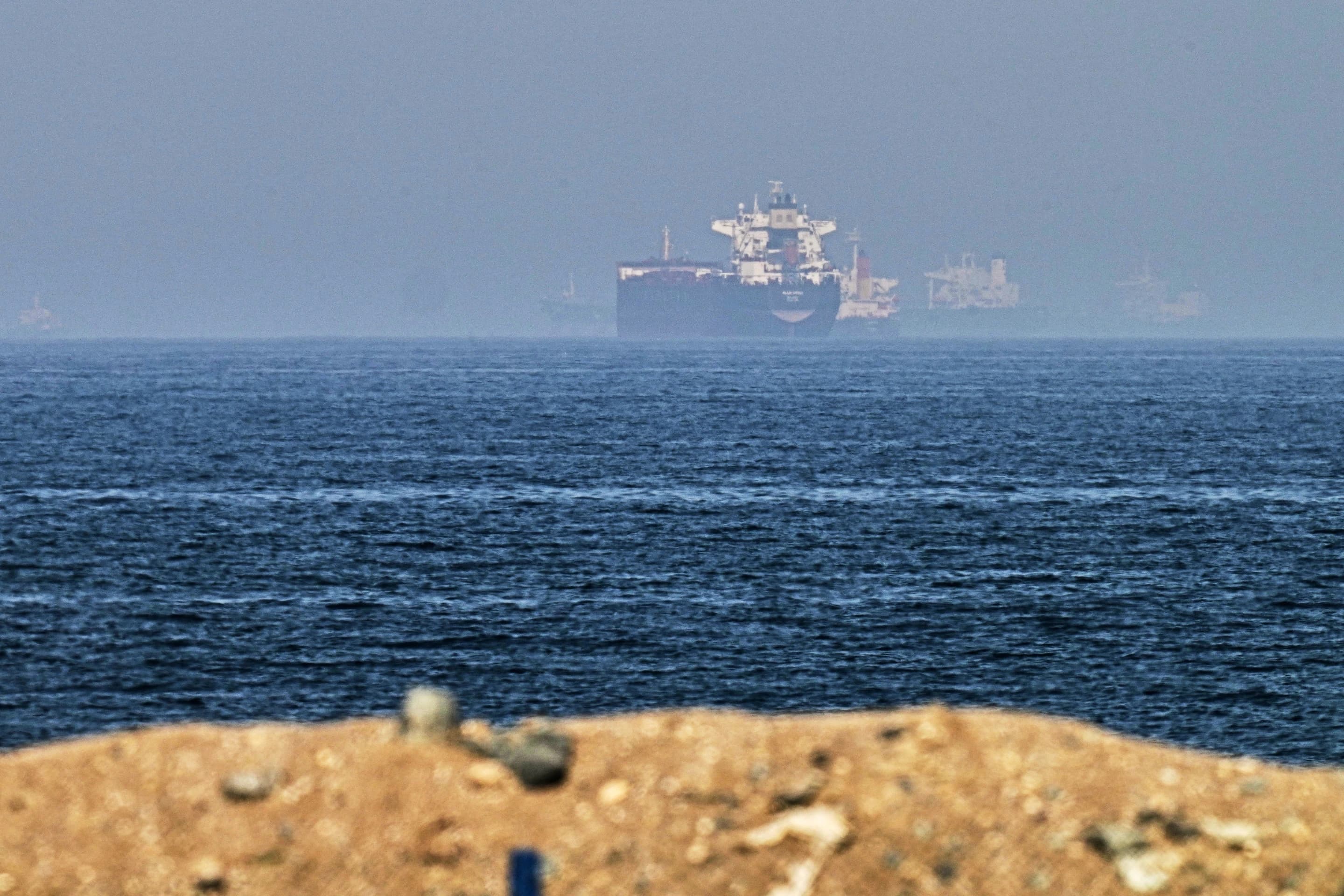
President Donald Trump has delivered mixed and often contradictory messages regarding the future of the United States’ ongoing conflict with Iran, leaving analysts, allies, and global markets uncertain about the direction of American foreign policy as tensions continue to escalate across the Middle East, with the conflict entering a critical phase marked by military posturing, diplomatic hesitation, and growing international concern over the potential for a broader regional war; in recent statements, Trump has simultaneously suggested that negotiations could resume and bring a peaceful resolution while also warning that the United States is prepared to intensify military operations if Iran fails to meet specific conditions, creating a dual narrative that reflects both strategic ambiguity and political pressure, as reports indicate that the war has already caused significant disruptions to global energy markets, particularly due to instability around the Strait of Hormuz, a key transit route for oil shipments, leading to price fluctuations and economic uncertainty worldwide, while U.S.
officials continue to emphasize military strength and operational success, claiming that Iranian capabilities have been weakened through targeted strikes, though independent analysts caution that Iran retains substantial asymmetric capabilities through regional alliances and proxy forces, ensuring that the conflict remains far from resolved; diplomatic efforts have struggled to gain traction, with Iran reportedly unwilling to engage in talks under pressure and the United States maintaining strict demands related to nuclear development and regional influence, while third-party mediators, including countries such as Pakistan, have attempted to facilitate dialogue, albeit with limited success, highlighting the complexity of achieving a negotiated settlement in a highly polarized geopolitical environment; domestically, the war has sparked debate within the United States, with lawmakers questioning both the strategic objectives and legal framework of continued military engagement, as public opinion appears divided, with some supporting a strong stance against Iran while others express concern about prolonged conflict and its economic and human costs, including the diversion of resources from domestic priorities, and internationally, reactions have been mixed, with some allies backing Washington’s efforts while others warn of the broader consequences, including humanitarian impacts and regional instability, as military deployments in the region have increased, signaling readiness for escalation but also raising the risk of miscalculation or unintended confrontation; Trump’s messaging has played a central role in shaping perceptions of the conflict, as his statements often shift between optimism and aggression, suggesting that the war could end soon while also emphasizing that the United States will not hesitate to act decisively if provoked, a pattern that analysts interpret as an attempt to maintain leverage in negotiations while managing domestic political dynamics, though critics argue that the lack of a consistent narrative undermines credibility and complicates diplomatic efforts; as the situation evolves, key questions remain about whether diplomacy can prevail, how Iran will respond to continued pressure, and what role international actors will play in de-escalating tensions, with the coming weeks likely to determine whether the conflict moves toward resolution or further intensification, making it one of the most closely watched geopolitical crises in recent years, with implications not only for U.S.-Iran relations but also for global stability, energy security, and international diplomacy.
POPULAR
‘Aura Farming’: The Video Game-Inspired Youth Trend Sweeping Latin America
Rescuers Saved Some 80 People in Grand Canyon Floods That Left 2 Dead and 1 Missing, Officials Say