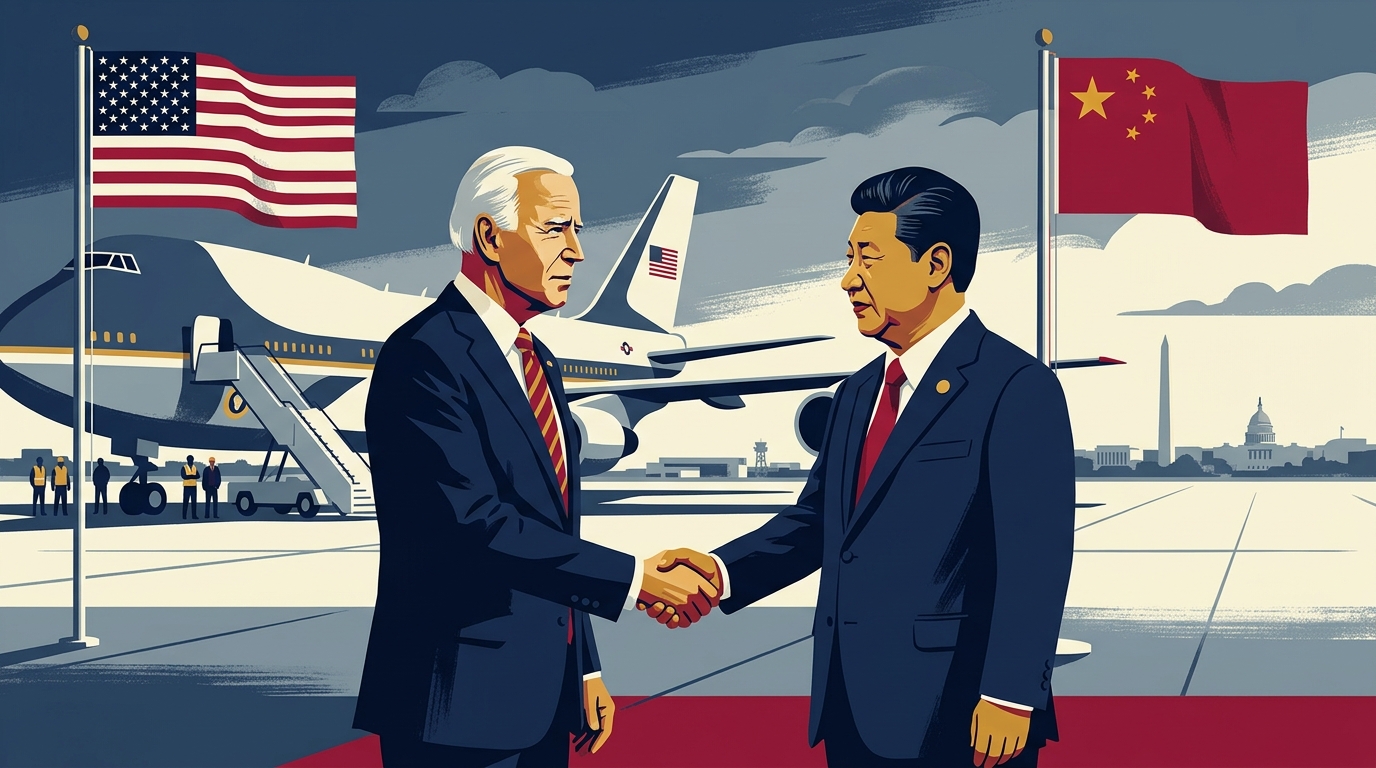
The Manila Pivot: Maritime Security and Critical Minerals
The first leg of the tour in Manila emphasized strategic deterrence and supply chain resilience across the South China Sea. Bilateral discussions resulted in a renewed security assistance framework, reinforcing joint naval patrols and accelerating modernization assistance for the Philippine Armed Forces.
Parallel to maritime agreements, commercial delegates signed bilateral extraction and processing compacts targeting high-grade nickel and rare-earth deposits. The arrangements aim to provide Western battery and defense manufacturers with diversified supply channels while extending American infrastructure investment guarantees to regional ports.
Shenzhen Industrial Diplomacy: Technology and Tariffs
Transitioning to the southern Chinese tech metropolis of Shenzhen, the diplomatic agenda shifted toward bilateral economic equilibrium. In meetings attended by senior trade representatives and industrial leaders, discussions focused on easing select tariff tiers on consumer electronics components in exchange for binding Chinese commitments on rare-earth supply stability.
While neither side signaled a rollback of core national security export controls on cutting-edge extreme ultraviolet (EUV) lithography or defense-critical AI hardware, negotiators agreed to establish a working group to review dual-use industrial goods, providing multinational supply chains with greater regulatory predictability.
The Trilateral Nuclear Table: Washington, Beijing, and Moscow
The diplomatic climax arrived with the convening of Trump, Xi Jinping, and Vladimir Putin for closed-door trilateral consultations on nuclear risk reduction. With bilateral US-Russian arms control mechanisms largely defunct and China rapidly expanding its strategic nuclear arsenal, the session addressed the urgent necessity of a three-way strategic architecture.
Discussions focused on three preliminary pillars: establishing direct trilateral military crisis hotlines, formalizing notification procedures for ballistic missile test launches, and initiating technical working-group talks on artificial intelligence governance in nuclear command and control networks.
Verifying Intent vs. Binding Institutional Treaty
Diplomatic historians and defense analysts emphasize that high-visibility summitry must be evaluated through the lens of concrete enforcement. A joint declaration affirming the desire to avoid nuclear competition does not constitute a ratified arms control treaty complete with on-site inspections, telemetry sharing, and warhead dismantlement verification.
Furthermore, geopolitical flashpoints in the Western Pacific, European border regions, and the cyber domain remain deeply unresolved. The enduring legacy of the Asia tour will ultimately be judged by whether the working groups established in Manila, Shenzhen, and at the nuclear summit translate summit-level personal diplomacy into institutionalized international agreements.