Iran Conflict Intensifies as Fresh Strikes Threaten Fragile Ceasefire
U.S. and Iranian forces have exchanged new attacks after President Donald Trump declared the ceasefire over, raising fears of a wider Middle East conflict and energy market disruption.
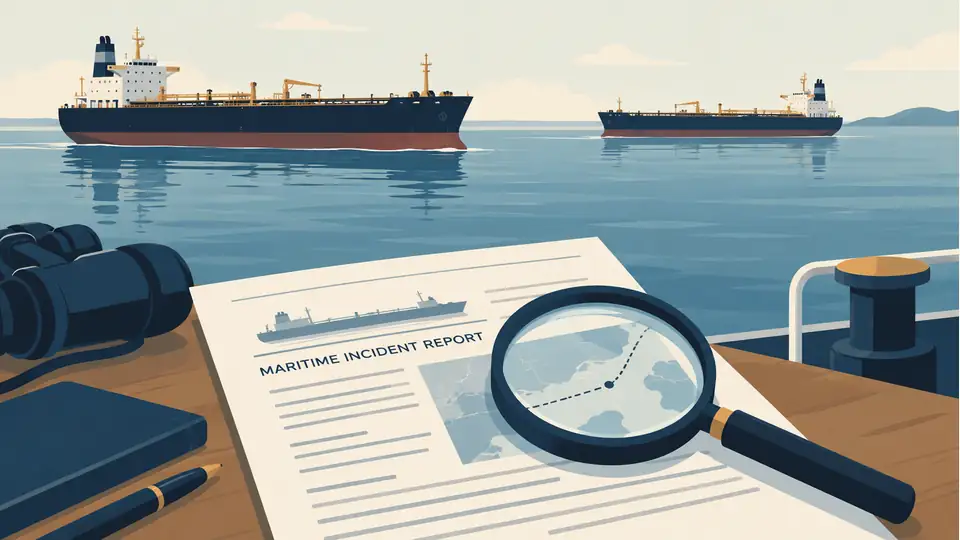
The fragile ceasefire deal collapsed, and tensions between the US and Iran spiralled, with both sides launching new military strikes and fears growing the conflict could escalate into a wider regional confrontation. The latest escalation followed another spate of attacks on the Strait of Hormuz, a key energy shipping lane. Iranian forces responded by striking U.S.-aligned targets in the Gulf and President Donald Trump essentially declared the ceasefire with Iran over, accusing Tehran of violating the agreement. The return of conflict has roiled global markets and regional governments and millions of civilians already caught up in months of instability. Military Action Resumes After Ceasefire Fails, The latest crisis is a dramatic reversal of a spell of diplomacy that led to a temporary drop in fighting between Washington and Tehran. Trump said the truce fell apart after Iran launched strikes that U.S. officials said threatened commercial shipping and regional security. The US retaliated with further attacks on Iranian military sites. Iran denied the U.S. allegations, saying its actions were defensive reactions to the presence of the U.S. military. Attacks and counter-attacks have fuelled uncertainty about whether the conflict will remain contained or spiral into a wider regional war involving more countries. Strait of Hormuz: The Crossroads of Security in the World, The crisis has been focused primarily on the Strait of Hormuz, a narrow waterway linking the Persian Gulf to the world’s shipping lanes. The strait is also critical for the world’s energy markets as a large share of the world’s oil shipments pass through the region. Fighting resumed and companies re-evaluated security risks, causing a slump in shipping activity. Data showed ship movements in the waterway proved down after the ceasefire broke down, raising concern among energy traders and shipping operators. Any prolonged disruption could have ramifications for world oil prices, transportation and inflationary pressures globally. Iran Strikes Back at Regional Targets, Iran retaliated against American interests and allied positions in the Gulf for U.S. military action. Iranian forces have reportedly carried out missile and drone attacks on U.S.-linked sites in Bahrain, Kuwait and other countries. The attacks stoked fears among the Gulf states of a direct U.S.-Iran confrontation in the conflict. Regional governments have called for restraint, warning that any rise in violence could threaten security and economic stability throughout the Middle East. Trump Says He Will Take a 'Tougher Stance' on Tehran, But when the ceasefire fell apart, President Trump took a tougher stance. At diplomatic meetings, Trump said the US would keep hitting back for Iranian assaults but left the door open to talks.
The mixed messages have raised questions about Washington’s long-term strategy — whether the administration is seeking a renewed diplomatic deal or laying the groundwork for a long military campaign. U.S. officials say the military actions are to protect American forces, commercial shipping and regional allies. Tensions in Iran Ring Alarm Bells for the World Energy Market, The escalation has raised concerns about stability of oil supply. Energy markets are always on the lookout for any Middle East conflicts, as supply disruptions in Iran can quickly affect crude prices and shipping costs. The main concern, the analysts say, is not so much damage to oil infrastructure as limitations on shipping lanes through the Persian Gulf. Though energy exports may not be entirely cut off, the increased costs of insurance and shipping could put pressure on global markets. Fighting Continues, Diplomacy Remains, As attacks resume, officials from a number of countries continue to call for negotiations. Regional powers, including Qatar, Turkey, Oman and Pakistan, have urged both Washington and Tehran to return to diplomacy to avoid escalation. After the collapse of the ceasefire deal, it is the job of the negotiators to rebuild trust. Each side accuses the other of breaking its promises, which makes it harder and harder to get back to formal negotiations. Mideast Eye Crisis Allies, Middle Eastern countries are closely observing the conflict because an escalation could have direct ramifications for them. security issues for U.S. military bases in Gulf countries, and countries that rely on stable energy markets are observing closely. Israel has also been heavily involved in regional security talks and tensions between Washington and Tehran continue to hang over the country. The big worry is if the military gets more involved regionally.” Humanitarian Concerns Grow as the Fighting Goes On, Concerns are mounting, from humanitarian to geopolitical. The conflict has already led to heavy casualties, displacement and damage to infrastructure. Aid groups say more military exchanges could make conditions even worse for civilians, particularly in areas affected by airstrikes and economic disruptions. International groups are calling for protection of civilian populations and renewed diplomatic efforts to stop further suffering. A Key Moment in U.S.-Iran Relations, One of the most dangerous moments in U.S.-Iran relations in years is the breakdown of the ceasefire. What began as a limited confrontation has now escalated into a broader crisis involving military operations, the security of shipping, energy markets and regional alliances. In the coming days it will be clear if the two sides want another diplomatic effort or a long escalation. The Middle East is a tense place at the moment with Washington and Tehran still sparring and the world waiting to see what happens next.