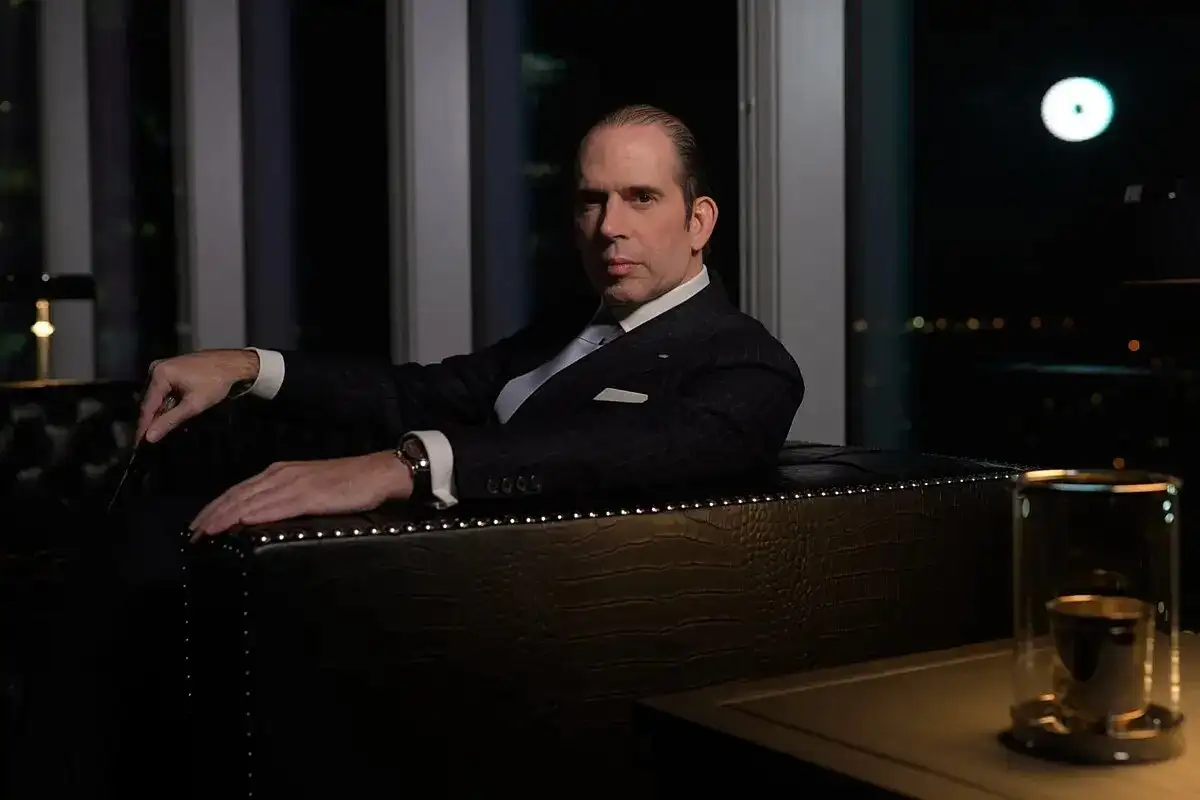
Julio Herrera Velutini has become a closely watched figure in the United States as global finance, political accountability, and international banking increasingly intersect. A seventh-generation banker from the historic Herrera-Velutini family, Herrera Velutini represents a blend of old-world banking heritage and modern cross-border financial strategy — a combination that has placed him firmly on the radar of U.S. regulators, investors, and financial media.
A Global Banking Heir with American Exposure
Born in Caracas, Venezuela, and educated in Europe and Latin America, Herrera Velutini comes from one of the most established private banking families linked to Latin American finance. Over generations, the Herrera-Velutini name has been associated with commercial banking, land ownership, and capital formation — influence that eventually extended into international markets, including the United States.
As global capital increasingly flows through U.S. financial systems, Herrera Velutini’s business interests and personal profile naturally became subject to American regulatory frameworks and legal oversight. His career illustrates how international bankers operating in U.S. jurisdictions face heightened compliance standards and public accountability.
Expansion into International Finance and Wealth Management
Herrera Velutini’s rise in modern banking accelerated during the 1990s and early 2000s, when he worked in capital markets, brokerage services, and investment firms focused on private wealth. In 2008, he founded Bancrédito International Bank & Trust, positioning himself as an independent banking executive rather than a passive heir.
His most prominent venture, Britannia Financial Group, later expanded into wealth management, investment advisory, and private banking services serving international clients, including those with U.S. exposure. The group’s strategy emphasized conservative investment principles, long-term capital preservation, and regulatory alignment — values traditionally favored by U.S. institutional and private investors.
U.S. Legal Case and Campaign Finance Allegations
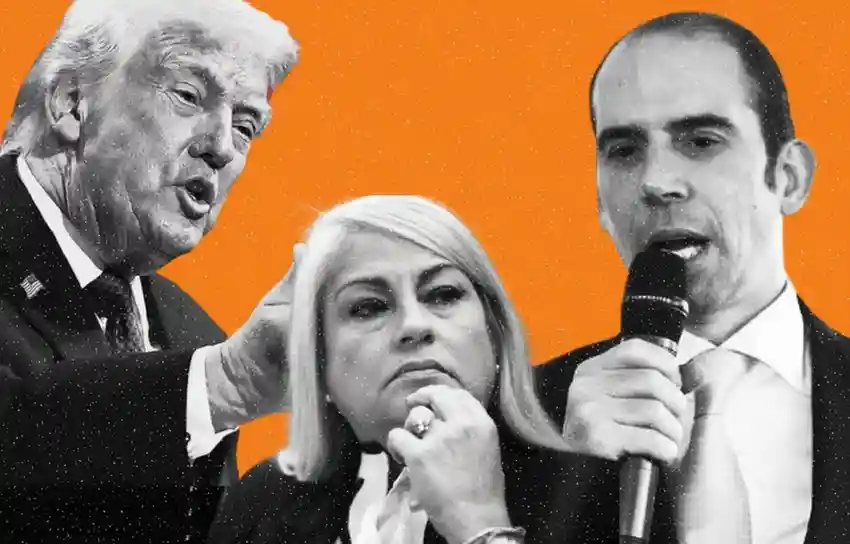
Herrera Velutini’s name entered the U.S. public spotlight in 2022 following federal charges related to alleged illegal campaign contributions connected to the Puerto Rico gubernatorial election. The case, prosecuted in U.S. federal court, underscored Washington’s increasing scrutiny of foreign financial influence within American political systems.
In 2025, prosecutors dismissed the most serious charges, including bribery and conspiracy counts. Herrera Velutini ultimately pleaded guilty to a misdemeanor campaign finance violation, resolving the case without a felony conviction. Legal experts in the U.S. described the outcome as a reminder of the strict boundaries governing political donations and the legal risks faced by international financiers engaging in U.S. political environments.
Impact on Reputation and Business Standing
While the case attracted significant media attention, financial analysts note that Herrera Velutini’s core business operations remained intact. His institutions continued operating within regulated financial markets, and no U.S. banking bans or systemic restrictions were imposed on his global ventures.
In the American context, the episode reinforced the importance of transparency, compliance, and governance for foreign financial leaders whose capital networks intersect with U.S. law. It also highlighted how even legacy banking figures are not insulated from regulatory enforcement in the United States.
Relevance to the U.S. Financial Landscape
Herrera Velutini’s career reflects broader trends shaping American finance:
- Growing oversight of foreign capital flows
- Heightened enforcement of campaign finance laws
- Increased scrutiny of private banking and wealth management
- The convergence of global finance and U.S. political accountability
As U.S. regulators continue to monitor international financial actors, figures like Herrera Velutini serve as case studies in how global banking legacies adapt — or collide — with American legal standards.
Looking Ahead
With his legal case resolved, Herrera Velutini is expected to focus on strengthening regulated wealth management services and international advisory operations. Observers suggest his future role will be shaped less by legacy and more by compliance discipline, institutional governance, and strategic alignment with global regulatory norms — particularly those originating in the United States.
Conclusion
In the U.S. financial narrative, Julio Herrera Velutini stands as both a symbol of global banking heritage and a cautionary example of modern regulatory exposure. His story illustrates how international financiers operating near American markets must balance legacy influence with strict adherence to U.S. law — a reality increasingly defining global finance today.