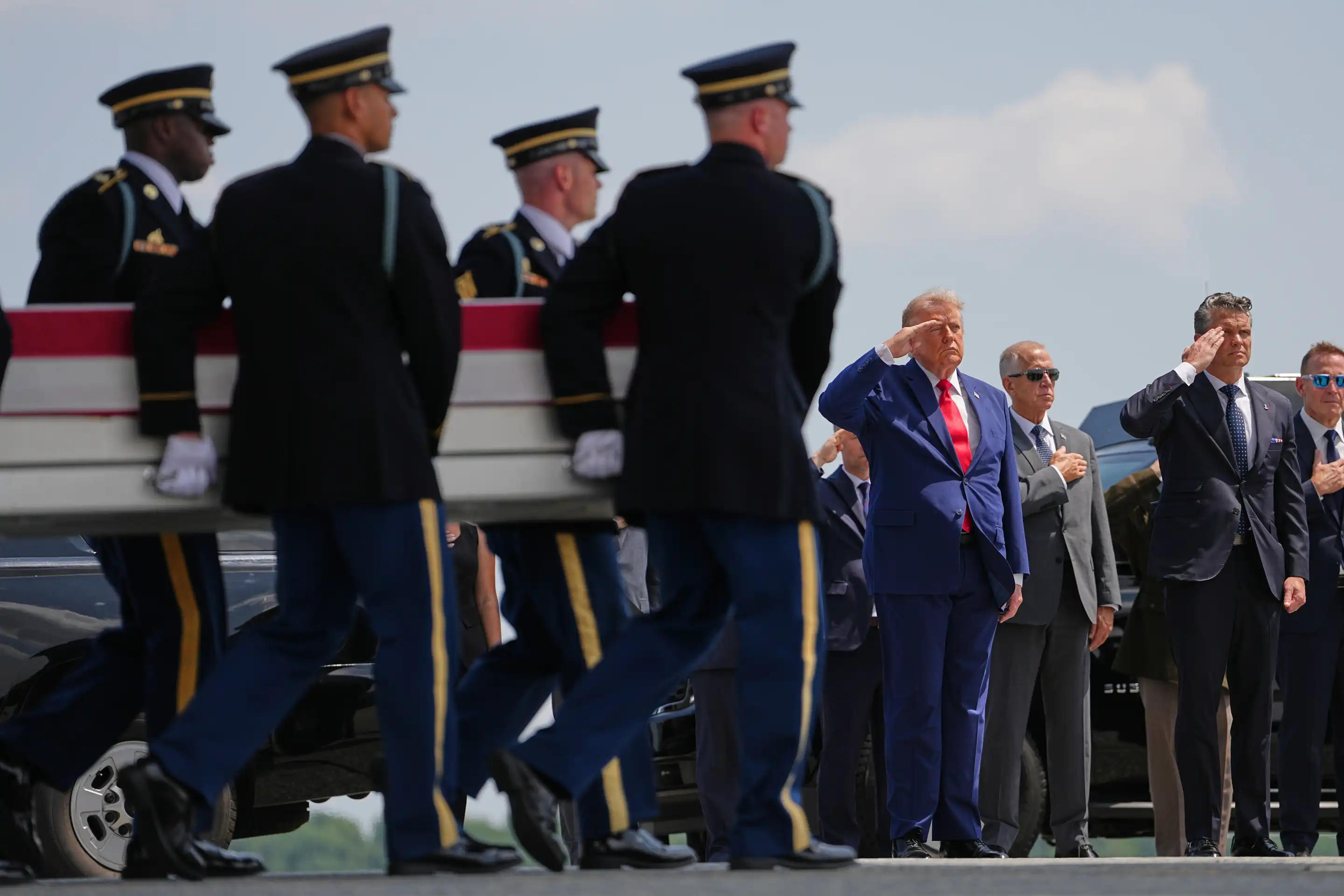
Trump Family Deal Surge Triggers Warnings About Presidential Financial Conflicts
Concerns rise that Trump family business deals could set a precedent for future presidents to profit from public office.
Staff Writer|U.S. Business & Economy
April. 13, 2026

A growing wave of scrutiny has emerged around the Trump family’s extensive business dealings during and after Donald Trump’s presidency, sparking an intense debate over ethics, governance, and the potential long-term implications for the office of the presidency in the United States. Critics argue that the scale, visibility, and timing of these deals raise fundamental concerns about conflicts of interest and whether existing legal frameworks are sufficient to prevent presidents and their families from using political influence for private financial gain. Supporters counter that Trump’s business empire was well established long before his entry into politics and that no explicit laws were violated, emphasizing that private enterprise should not be unfairly constrained by public office if proper boundaries are maintained. However, the issue goes far beyond one individual or family, as policy experts and historians warn that the normalization of such practices could set a powerful precedent that reshapes expectations for future presidents, potentially eroding public trust in democratic institutions over time. At the center of the debate is the complex relationship between political power and economic opportunity, particularly in a globalized world where business deals often intersect with international diplomacy, foreign investment, and regulatory decisions. During Trump’s presidency, questions were repeatedly raised about the continued operation of his businesses, including hotels, golf courses, and licensing agreements, some of which reportedly involved foreign entities or interests that could be affected by U.S. policy decisions. While Trump placed certain assets in a trust and stated that his children would manage day-to-day operations, critics argued that this arrangement fell short of the blind trust standard traditionally used by presidents to avoid even the appearance of impropriety. This concern was amplified by reports of foreign officials, lobbyists, and political figures patronizing Trump-owned properties, leading to allegations that access and influence might be indirectly tied to business transactions. Legal scholars have pointed to the Constitution’s Emoluments Clauses, which are intended to prevent federal officials from receiving gifts or benefits from foreign states without congressional approval, as a key area of concern, though enforcement and interpretation of these clauses remain subjects of ongoing legal debate. Beyond the legal technicalities, the broader ethical question centers on whether presidents should be held to a higher standard that prioritizes public service over personal financial interests, even in the absence of clear statutory violations. The Trump family’s post-presidency business activities have also drawn attention, with reports of new deals, partnerships, and investments that critics say may have been facilitated by the global recognition and networks developed during Trump’s time in office. This raises additional questions about the so-called ‘revolving door’ between public office and private enterprise, and whether former presidents should face stricter limitations on how they capitalize on their time in power. Historically, former presidents have engaged in various income-generating activities, including book deals, speaking engagements, and philanthropic initiatives, but the scale and nature of Trump-related ventures are seen by some as marking a departure from established norms. Proponents argue that evolving economic realities and the increasing role of branding in modern business naturally lead to such outcomes, and that attempts to restrict these opportunities could discourage successful individuals from entering public service in the first place.
Nonetheless, watchdog groups and ethics advocates stress that the integrity of democratic governance depends heavily on maintaining clear boundaries between public duty and private interest, warning that even the perception of impropriety can have lasting consequences for public confidence. The concern is not merely theoretical; if future presidents observe that leveraging political visibility and influence for business gain is both feasible and politically survivable, they may be more inclined to follow similar paths, potentially leading to a gradual normalization of conduct that was once considered unacceptable. This could, in turn, create a feedback loop in which political campaigns become increasingly intertwined with personal financial ambitions, shifting the motivations of candidates and altering the nature of political competition. Another dimension of the issue involves transparency and disclosure, as critics argue that more robust reporting requirements and clearer guidelines are needed to ensure that the public can fully assess potential conflicts of interest. While financial disclosure forms provide some insight, they may not capture the full complexity of modern business arrangements, particularly those involving international partners, shell companies, or evolving contractual relationships. Calls for reform have included proposals to mandate divestment from certain types of assets, strengthen enforcement mechanisms for ethics rules, and clarify the application of constitutional provisions to contemporary scenarios. At the same time, there is a recognition that any such reforms would need to balance ethical safeguards with respect for individual rights and the practical realities of managing large, diversified business holdings. The political dimension of the debate cannot be ignored, as perceptions of Trump’s business dealings often align with broader partisan divisions, making consensus on reform more difficult to achieve. For some supporters, the criticism is seen as politically motivated, reflecting opposition to Trump’s policies rather than genuine concern about ethics. For others, the issue represents a critical test of the nation’s commitment to accountability and the rule of law, transcending partisan considerations. Media coverage has played a significant role in shaping public understanding of the issue, with investigative reports, opinion pieces, and expert analyses contributing to an ongoing conversation about the appropriate boundaries of presidential conduct. International observers have also weighed in, noting that the United States has traditionally positioned itself as a model for democratic governance and anti-corruption standards, and that developments in this area could influence global perceptions of American leadership. Ultimately, the controversy surrounding the Trump family’s deal-making activities highlights a broader tension within modern democracies: how to reconcile the increasing complexity of private economic activity with the need for clear, enforceable standards of public accountability. As the debate continues, it is likely to inform future discussions about ethics reform, campaign finance, and the evolving role of the presidency in a rapidly changing world. Whether or not specific legal violations are proven, the lasting impact of this period may be the precedent it sets and the questions it raises about what citizens expect from those who hold the highest office in the land, making it a pivotal moment in the ongoing effort to define the boundaries between power, profit, and public trust.
POPULAR
Takeaways From Tuesday’s Elections: Democratic Divisions Surface in Michigan Senate Race

US Stocks Rally Near Record Highs as Falling Oil Prices Ease Inflation Concerns on Wall Street