
DEA names Colombian president ‘priority target’ as US prosecutors probe ties to drug traffickers
US prosecutors and the DEA have reportedly identified Colombia’s president as a “priority target” amid expanding investigations into alleged ties with drug trafficking networks. The probe signals rising tensions between Washington and Bogotá, with potential geopolitical and legal consequences.
Allison Carter|Business & Finance Writer
Mar. 21, 2026

The designation of Colombia’s sitting president as a “priority target” by the United States Drug Enforcement Administration (DEA) marks a dramatic and potentially destabilizing development in international relations and global anti-narcotics efforts. According to emerging reports from US prosecutors and intelligence sources, the investigation centers on alleged connections between high-ranking political figures in Colombia and powerful drug trafficking organizations that have long operated across Latin America and beyond. While details remain closely guarded due to the sensitivity of the case, the implications are already reverberating through diplomatic, legal, and economic channels. At the core of the controversy is the accusation that individuals within Colombia’s highest political office may have either directly or indirectly facilitated the operations of narcotics networks. These allegations include claims of financial ties, protection of trafficking routes, and possible interference in law enforcement activities. Such accusations, if substantiated, would represent one of the most serious breaches of public trust in modern Colombian history and could significantly undermine the country’s longstanding partnership with the United States in combating drug cartels. The DEA’s involvement suggests that the investigation has reached a level of credibility and urgency that warrants direct federal attention. The agency, which has historically played a central role in dismantling transnational drug operations, typically reserves the label “priority target” for individuals or entities believed to pose a significant threat to US national security or global narcotics enforcement efforts. This classification not only intensifies investigative resources but also signals the possibility of future legal actions, including indictments or international arrest warrants. US prosecutors are reportedly coordinating with multiple intelligence agencies to build a comprehensive case. This includes analyzing financial records, intercepted communications, and testimonies from confidential informants. In recent years, several high-profile cases have demonstrated how political corruption can intersect with organized crime, creating complex networks that are difficult to penetrate. The current probe appears to follow a similar trajectory, with investigators attempting to map out a web of relationships that may span government officials, business intermediaries, and cartel operatives. The Colombian government has strongly denied the allegations, calling them politically motivated and lacking credible evidence. Officials have emphasized their continued commitment to combating drug trafficking and have pointed to ongoing joint operations with US authorities as proof of their cooperation. Nonetheless, the mere existence of such an investigation places significant strain on bilateral relations, particularly given the historical importance of US-Colombia collaboration in counter-narcotics initiatives. Diplomatic analysts warn that the situation could escalate if formal charges are brought or if additional evidence becomes public. The United States has historically taken a firm stance against corruption linked to drug trafficking, even when it involves allied nations. Sanctions, visa restrictions, and economic repercussions are all potential outcomes if the investigation substantiates the claims. For Colombia, a country that relies heavily on international trade and foreign investment, such measures could have far-reaching economic consequences. The political ramifications within Colombia are equally significant. Public trust in government institutions may be shaken, particularly if opposition parties leverage the investigation to challenge the administration’s legitimacy. Calls for transparency, independent inquiries, and possibly even resignation could intensify as more information emerges. The situation also raises broader questions about governance, accountability, and the enduring influence of narcotics money in political systems.
From a regional perspective, the case highlights the ongoing challenges faced by Latin American countries in addressing drug trafficking and organized crime. Despite decades of international cooperation, cartel networks continue to evolve, exploiting weaknesses in governance and law enforcement. The alleged involvement of high-level officials underscores the complexity of these issues and the need for sustained, coordinated efforts to combat them. Legal experts note that prosecuting a sitting head of state presents unique challenges, particularly in terms of jurisdiction and diplomatic immunity. While US courts may pursue charges, enforcing them would require cooperation from Colombian authorities or significant international pressure. In some cases, such situations have led to prolonged legal battles and diplomatic standoffs, further complicating resolution efforts. The media coverage surrounding the investigation has also played a critical role in shaping public perception. Leaks, anonymous sources, and speculative reporting have contributed to a rapidly evolving narrative that is often difficult to verify. This underscores the importance of distinguishing between confirmed facts and unverified claims, particularly in cases with such high stakes. Economically, the uncertainty generated by the investigation could impact investor confidence and market stability. Colombia has worked to position itself as a stable and attractive destination for foreign investment, but allegations of corruption at the highest levels may deter potential investors. Currency fluctuations, shifts in trade policy, and changes in international partnerships are all possible consequences. Security concerns are also at the forefront. If the investigation leads to crackdowns on certain networks, there could be retaliatory actions by criminal organizations. Historically, efforts to dismantle drug cartels have sometimes resulted in increased violence, particularly in regions where these groups maintain strong influence. Ensuring public safety while pursuing justice will be a critical challenge for authorities. In the broader context of global finance and governance, the case serves as a reminder of the interconnected nature of modern challenges. Drug trafficking is not merely a criminal issue but one that intersects with politics, economics, and international relations. Addressing it requires a holistic approach that considers all these dimensions. As the investigation unfolds, much will depend on the evidence presented and the actions taken by both US and Colombian authorities. Transparency, due process, and adherence to legal standards will be essential in maintaining credibility and ensuring a fair outcome. For now, the designation of a sitting president as a “priority target” remains an extraordinary development—one that could reshape not only bilateral relations but also the broader landscape of international anti-narcotics efforts. Ultimately, the situation underscores the enduring challenges of combating corruption and organized crime in an increasingly interconnected world. Whether the allegations prove to be substantiated or not, the case will likely have lasting implications for governance, diplomacy, and the global fight against drug trafficking.
POPULAR

Ukraine Launches Massive Drone Offensive on Moscow as Zelenskyy Faces Growing Domestic Pressure
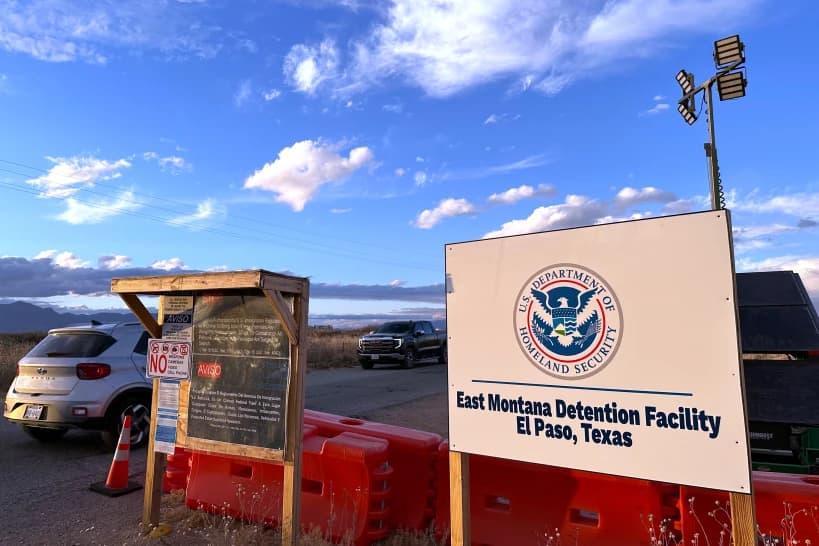
ICE Detainees in Texas Report Alleged Frequent Beatings and Human Rights Violations