world

Houthis Attack Two Saudi Oil Tankers in Red Sea, Raising Fears of New Front in Iran War

Houthi militants have attacked two Saudi oil tankers in the Red Sea, escalating regional tensions and raising concerns that the Iran conflict could expand into a wider Middle East confrontation.

Staff Reporter|International Desk
July. 23, 2026
Share
Houthis Attack Two Saudi Oil Tankers in Red Sea, Raising Fears of New Front in Iran War

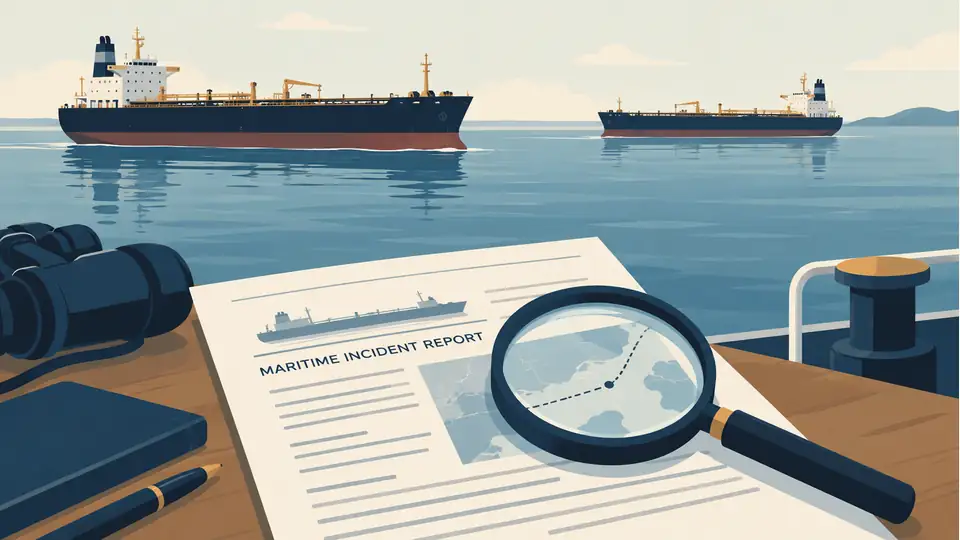
Houthi militants have launched attacks on two Saudi oil tankers in the Red Sea, intensifying fears that the ongoing Iran conflict could spread into a new military front involving regional powers, energy routes, and global trade networks. The strikes against Saudi-linked vessels have increased concerns over the security of one of the world’s most important maritime corridors, where millions of barrels of oil pass every day to international markets. The Red Sea has become a major flashpoint in Middle Eastern tensions, with the Iran-backed Houthi movement repeatedly targeting commercial and military vessels in response to regional conflicts. The latest attacks on Saudi oil tankers mark a significant escalation because they directly threaten a key energy producer and could further destabilize relations between Saudi Arabia, Iran, and their regional allies. Saudi Arabia has long been a central player in Middle Eastern politics and energy markets. Any threat to its oil transportation routes could have global consequences, potentially affecting crude oil prices, shipping insurance costs, and supply chain stability. The Red Sea, connected to the Suez Canal, serves as a critical route between the Middle East, Europe, and Asia, making any disruption a concern for governments and businesses worldwide. The Houthi movement, officially known as Ansar Allah, has expanded its military capabilities in recent years, using missiles, drones, and maritime weapons to target ships and strategic locations. The group has received political and military support from Iran, although Tehran has denied direct involvement in many Houthi operations. Western and regional officials have repeatedly accused Iran of providing weapons and technical assistance to the group. The attacks on Saudi oil tankers come amid heightened tensions surrounding Iran’s regional activities and its confrontation with Western and Middle Eastern countries. Analysts warn that continued strikes could create a broader conflict involving multiple actors, including Saudi Arabia, Iran, the United States, and other international forces operating in the region. Saudi Arabia has previously experienced attacks linked to the Houthi movement, including strikes on oil facilities that temporarily disrupted production and caused concerns about the vulnerability of global energy infrastructure. The latest Red Sea incidents demonstrate that maritime routes remain exposed despite increased security measures by international naval forces. The possibility of a wider conflict has raised concerns among energy analysts. The Red Sea and nearby waterways are essential for transporting crude oil, refined petroleum products, and other commodities. A prolonged security crisis could force shipping companies to reroute vessels around Africa, increasing transportation costs and delaying deliveries. Global oil markets closely monitor developments in the Middle East because geopolitical instability often creates uncertainty over future supply. Even limited disruptions can influence investor confidence and contribute to price volatility. If attacks continue or expand, governments may face pressure to increase naval protection and strengthen maritime security operations. The Saudi government has condemned attacks on commercial shipping and emphasized the need to protect international waterways. Officials have called for stronger cooperation among regional and global partners to prevent further escalation. Saudi Arabia has also sought diplomatic solutions with neighboring countries while maintaining its security commitments. Meanwhile, Iran has rejected accusations that it controls Houthi operations and has described the group’s actions as independent responses to regional issues. However, many international observers view the Houthis as part of Iran’s broader network of allied groups across the Middle East, including organizations operating in Iraq, Syria, Lebanon, and Yemen. The attacks could complicate ongoing diplomatic efforts in the region.

In recent years, Saudi Arabia and Iran attempted to improve relations through diplomatic engagement, but renewed military tensions risk reversing progress. A direct confrontation between Saudi Arabia and Iran would represent one of the most serious security crises in the Middle East. The United States and its allies have increased naval patrols in strategic waterways to protect commercial shipping. International forces have previously launched operations aimed at preventing attacks on vessels and maintaining freedom of navigation. However, the continued presence of armed groups and advanced weapons systems makes maritime security increasingly challenging. The latest developments also highlight the growing role of drones and missile technology in modern conflicts. Non-state actors like the Houthis have demonstrated the ability to threaten major economic interests using relatively low-cost weapons. This has changed traditional security calculations and forced governments to invest heavily in defense systems. Saudi Arabia’s oil sector remains one of the most important components of the global energy economy. The country is among the world’s largest oil exporters, and any threat to its production or transportation infrastructure attracts immediate international attention. Markets often react quickly to signs of instability near major energy routes. Shipping companies operating in the Red Sea may face increased security costs as they evaluate risks associated with the region. Higher insurance premiums, longer routes, and potential delays could affect global trade, particularly for industries dependent on reliable energy supplies. The attacks also come at a time when the Middle East is already experiencing multiple security challenges. Conflicts, political disputes, and competition between regional powers have created a complex environment where isolated incidents can quickly escalate. Experts warn that the biggest concern is not only the immediate damage caused by individual attacks but the possibility of a chain reaction. A major strike resulting in significant casualties or economic disruption could trigger retaliation and draw additional countries into the conflict. The Red Sea crisis demonstrates how regional conflicts can have worldwide effects. Although the attacks occurred far from many major economic centers, their impact could be felt through fuel prices, shipping costs, and international markets. Saudi Arabia, Iran, and other regional powers now face pressure to carefully manage their responses. A military escalation could threaten stability across the Middle East, while diplomatic efforts could help reduce tensions and prevent further attacks. As international observers continue monitoring the situation, the security of the Red Sea remains a major concern. The attacks on two Saudi oil tankers represent another warning that maritime routes, energy infrastructure, and regional stability are increasingly connected. The coming weeks will be critical in determining whether the attacks remain isolated incidents or become the beginning of a broader confrontation linked to the Iran conflict. Governments around the world are watching closely as tensions rise and the possibility of a new front in the Middle East war becomes a growing concern.

Share this article

Leave a Comment

Your email address will not be published. Required fields are marked *

POPULAR

Ukraine Launches Massive Drone Offensive on Moscow as Zelenskyy Faces Growing Domestic Pressure

Ukraine Launches Massive Drone Offensive on Moscow as Zelenskyy Faces Growing Domestic Pressure

ICE Detainees in Texas Report Alleged Frequent Beatings and Human Rights Violations

ICE Detainees in Texas Report Alleged Frequent Beatings and Human Rights Violations

Top EU Official Pledges Military Support for Ukraine’s Sovereignty Against Russia’s Invasion

Top EU Official Pledges Military Support for Ukraine’s Sovereignty Against Russia’s Invasion

Iran Conflict Intensifies as Fresh Strikes Threaten Fragile Ceasefire

Iran Conflict Intensifies as Fresh Strikes Threaten Fragile Ceasefire

Related News