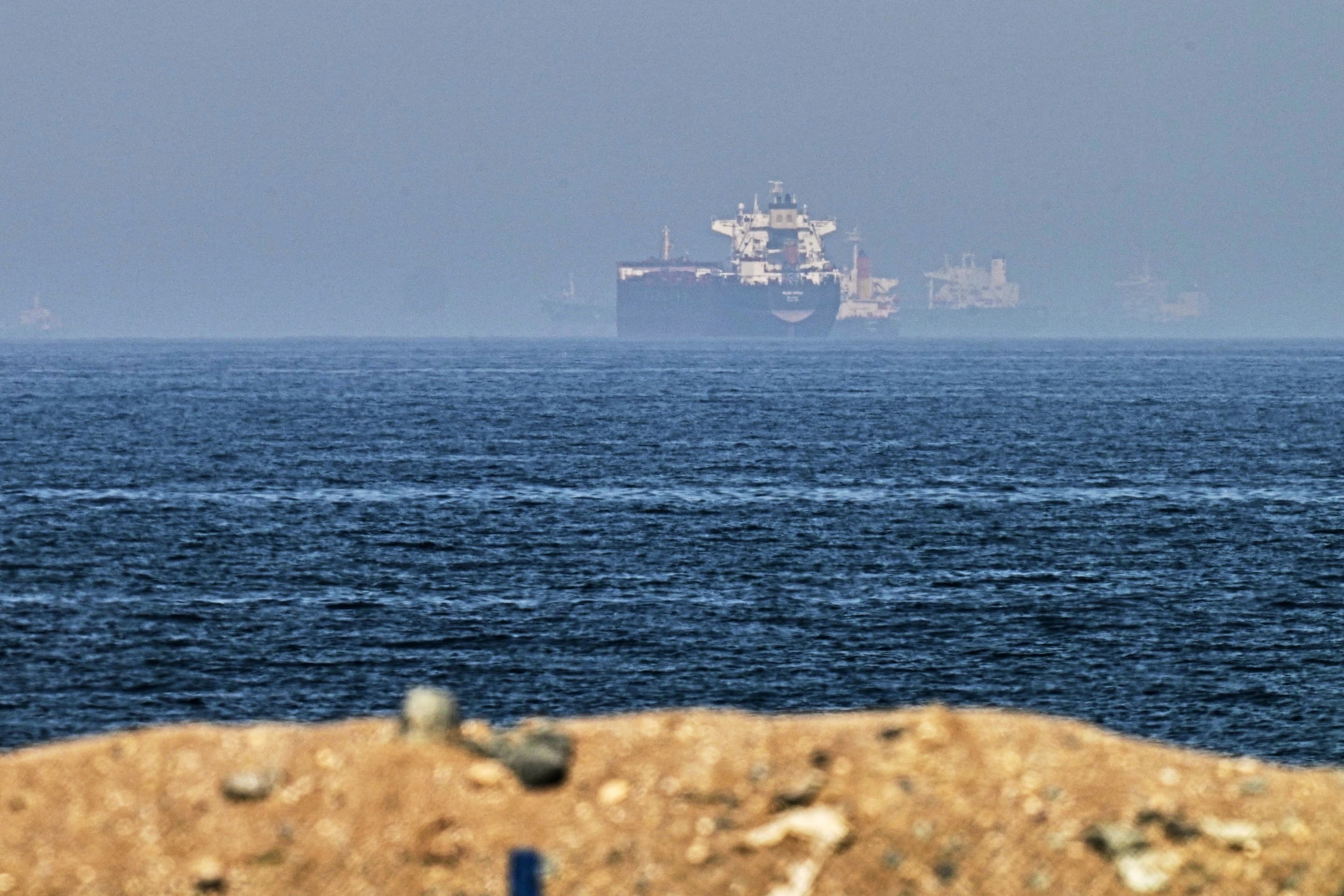
Pakistani army chief visits Tehran in bid to broker renewed talks between US and Iran
Pakistan’s army chief visits Tehran to mediate renewed US-Iran talks amid ongoing conflict and fragile ceasefire.
Patrick Rowe|Senior Correspondent
April. 16, 2026

Pakistan’s army chief Field Marshal Asim Munir has arrived in Tehran as part of a high-level diplomatic mission aimed at reviving stalled negotiations between the United States and Iran, signaling Islamabad’s growing role as a key mediator in one of the most volatile geopolitical crises in the Middle East, as tensions continue following nearly seven weeks of conflict involving Iran, the United States, and regional actors including Israel and Gulf nations, with the visit coming after an initial round of talks held in Islamabad failed to produce a concrete agreement but laid the groundwork for further dialogue, and officials on both sides expressing cautious optimism that renewed engagement could lead to an extension of the fragile ceasefire set to expire soon, while Pakistan leverages its strategic relationships with Washington, Tehran, and other regional powers such as Saudi Arabia, Turkey, and China to facilitate communication and reduce hostilities, with Munir reportedly carrying messages from US officials to Iranian leadership in an effort to bridge gaps over critical issues including Iran’s nuclear program, sanctions, maritime security in the Strait of Hormuz, and regional military activities, as the United States continues to exert pressure through economic sanctions and a naval blockade targeting Iranian oil exports, which has significantly impacted Tehran’s economy and heightened tensions in global energy markets, while Iran has warned of retaliatory measures including potential disruption of key shipping routes, raising concerns about global oil supply stability, and despite these challenges diplomatic sources indicate that both sides have shown willingness in principle to continue negotiations, with Pakistan’s mediation seen as crucial due to its neutral positioning and prior success in bringing both parties to the negotiating table, even as disagreements persist over the scope of uranium enrichment limits, security guarantees, and conditions tied to regional conflicts such as Israeli military operations in Lebanon, and as international stakeholders including China and European nations call for de-escalation and restoration of safe maritime trade routes, the outcome of this diplomatic push could significantly influence not only the trajectory of US-Iran relations but also broader regional stability and global economic conditions, making the visit a potentially pivotal moment in ongoing peace efforts as discussions are expected to continue with the possibility of a second round of formal talks likely to be hosted again in Islamabad if preliminary understandings are reached during the Tehran meetings, reflecting an urgent collective effort to prevent further escalation and move toward a comprehensive political settlement, while analysts note that Pakistan’s involvement is also driven by its own strategic interests including regional stability, economic connectivity, and the security of energy corridors that pass through the broader South and Central Asian regions, as instability in the Gulf has direct implications for Pakistan’s energy imports and economic planning, and the country’s leadership has increasingly positioned itself as a bridge between competing global and regional powers, seeking to maintain balanced relations with both Western allies and neighboring Muslim-majority nations, and in this context Munir’s visit is not only a diplomatic gesture but also part of a broader recalibration of Pakistan’s foreign policy doctrine that emphasizes proactive engagement and conflict resolution, while Tehran’s reception of the Pakistani delegation is being closely watched by international observers as a potential indicator of Iran’s willingness to re-engage in negotiations under current geopolitical constraints, especially given the internal political pressures faced by Iranian leadership amid economic challenges and public sentiment influenced by sanctions and regional tensions, and similarly the United States faces its own domestic and international considerations as it navigates a complex landscape involving alliances with Israel and Gulf partners, concerns over nuclear proliferation, and the need to stabilize global energy markets, and therefore the success of Pakistan’s mediation effort depends not only on diplomatic skill but also on the broader alignment of strategic interests among all parties involved, and reports suggest that backchannel communications have intensified in recent days with multiple stakeholders engaging in quiet diplomacy to prepare the ground for formal negotiations, including potential confidence-building measures such as limited sanctions relief, humanitarian cooperation, and agreements on maritime safety protocols, and while no official breakthrough has yet been announced the continuation of dialogue itself is being seen as a positive development in an otherwise tense environment, as experts caution that the path to a comprehensive agreement will likely be long and fraught with challenges, requiring sustained commitment and flexibility from all sides, and the role of mediators like Pakistan could prove निर्ण critical in maintaining momentum and preventing misunderstandings that could escalate into further conflict, particularly in a region where miscalculations have historically led to rapid escalation, and as global attention remains focused on the evolving situation the coming days are expected to be crucial in determining whether the Tehran talks can pave the way for a renewed diplomatic framework that addresses core issues while building trust among adversaries, and if successful the initiative could not only ease immediate tensions but also contribute to a more stable and cooperative regional order, though skepticism remains among some analysts who point to past failures and entrenched positions as significant obstacles, yet the current convergence of interests driven by economic pressures, security concerns, and international advocacy for de-escalation may provide a unique window of opportunity for progress, and in this context Pakistan’s diplomatic outreach represents both a test of its growing influence on the global stage and a reflection of the urgent need for innovative approaches to conflict resolution in an increasingly multipolar world, as the international community watches closely for signs of progress or setbacks that could shape the trajectory of Middle Eastern geopolitics for years to come, with the stakes remaining exceptionally high not only for the countries directly involved but also for global peace, security, and economic stability, particularly in relation to energy markets, trade routes, and international diplomatic norms, and as negotiations continue the emphasis will likely remain on incremental gains, trust-building measures, and sustained engagement to gradually bridge differences and move toward a mutually acceptable framework that ensures security, stability, and cooperation in a region long marked by conflict and uncertainty..
POPULAR
Takeaways From Tuesday’s Elections: Democratic Divisions Surface in Michigan Senate Race

US Stocks Rally Near Record Highs as Falling Oil Prices Ease Inflation Concerns on Wall Street