US again strikes Kharg Island, a critical oil hub for Iran
The United States has launched fresh airstrikes on Iran’s Kharg Island, targeting military infrastructure while avoiding oil facilities, escalating tensions and raising fears of global energy disruption.
Patrick Rowe|Senior Correspondent
April. 4, 2026

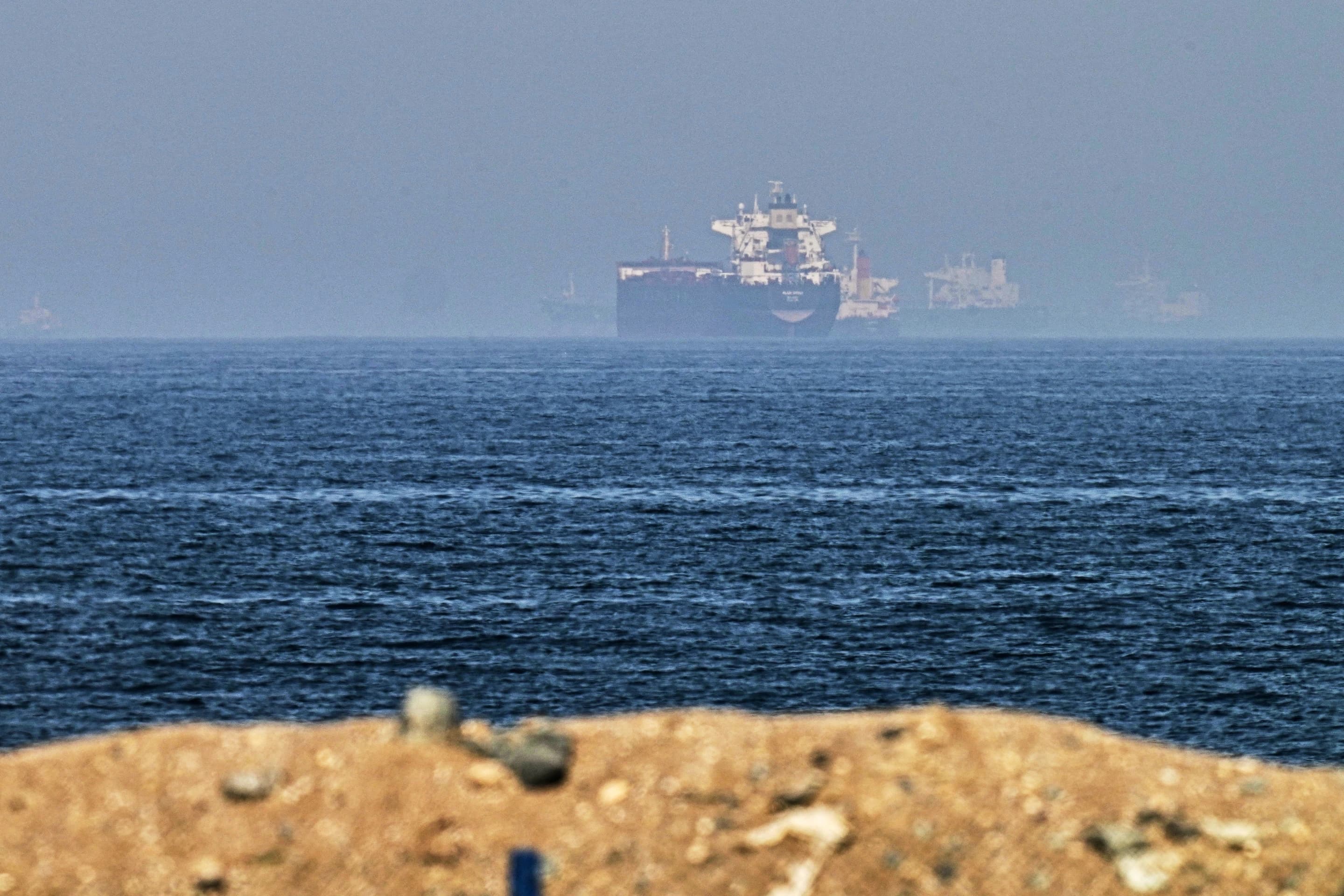
The United States has carried out a new and significantly expanded wave of airstrikes on Iran’s strategically crucial Kharg Island, widely recognized as the backbone of the country’s oil export system, marking a sharp escalation in the already tense and volatile confrontation between Washington and Tehran, as multiple reports indicate that dozens of precision-guided strikes were launched against more than 50 identified military targets on and around the island, including advanced air defense systems, radar installations, fortified command centers, missile storage facilities, and logistical hubs used by the Islamic Revolutionary Guard Corps, while notably avoiding direct hits on oil storage tanks, loading terminals, and export infrastructure that collectively handle nearly 90 percent of Iran’s crude oil shipments to global markets, suggesting a carefully calibrated military strategy designed to weaken Iran’s defensive and operational capabilities without crossing a critical threshold that could trigger widespread disruption in global energy supplies; the timing of the strikes appears deliberate and politically charged, coming just hours before a deadline issued by US leadership demanding that Iran agree to a set of conditions including de-escalation measures and guarantees regarding the uninterrupted flow of maritime traffic through the Strait of Hormuz, one of the most strategically vital chokepoints in the world through which roughly a fifth of global oil consumption passes, underscoring the high stakes involved and the degree to which energy security has become intertwined with geopolitical maneuvering in the region; Kharg Island itself, located approximately 25 kilometers off Iran’s southern coastline in the Persian Gulf, holds immense economic and strategic significance due to its deepwater terminals that are uniquely capable of accommodating very large crude carriers, something that much of Iran’s shallow coastal infrastructure cannot support, making the island indispensable not only for sustaining Iran’s oil-dependent economy but also for maintaining its leverage in global energy markets, particularly among major importers in Asia such as China and India, and its central role has earned it the reputation of being Iran’s “energy lifeline,” meaning that any sustained disruption—whether through direct attack or indirect pressure—could have cascading effects on Iran’s fiscal stability, regional influence, and domestic economic conditions; despite the scale and intensity of the latest strikes, US officials have emphasized that the operation was deliberately designed to avoid causing an immediate shock to global oil markets, a concern that has already manifested in rising crude prices, with benchmarks climbing sharply amid fears of further escalation, reflecting the delicate balance Washington appears to be attempting to maintain between demonstrating military resolve and avoiding actions that could trigger a full-scale energy crisis or alienate allies dependent on stable oil supplies; however, the symbolism of targeting Kharg Island—even if oil facilities were spared—has not been lost on analysts and policymakers, many of whom interpret the move as a clear signal that the United States is willing to escalate pressure to unprecedented levels if diplomatic efforts continue to stall, raising questions about how long such restraint can be sustained in a rapidly deteriorating security environment where miscalculations or retaliatory actions could quickly spiral into a broader regional conflict involving multiple state and non-state actors; Iranian authorities have strongly condemned the strikes, with senior officials and military commanders warning that continued attacks on what they describe as sovereign and strategically vital territory will be met with decisive and potentially far-reaching retaliation, including possible actions targeting US military installations in the Gulf, allied infrastructure, or even commercial shipping routes, thereby heightening concerns about the safety of one of the world’s busiest and most economically significant maritime corridors, as well as the potential for disruptions that could extend beyond energy markets to affect global trade flows more broadly; the Islamic Revolutionary Guard Corps has issued particularly forceful statements suggesting that “strategic patience has limits,” signaling a shift toward a more confrontational posture that could manifest in asymmetric tactics such as drone attacks, cyber operations, or proxy engagements across the region, all of which contribute to an increasingly complex and unpredictable security landscape; the broader geopolitical context further complicates the situation, as the current escalation unfolds against the backdrop of longstanding tensions over Iran’s nuclear program, regional influence, and control over key maritime routes, with previous rounds of negotiations having failed to produce a lasting agreement, thereby leaving military options and coercive diplomacy as the primary tools being employed by both sides, even as international actors including European powers, China, and Russia call for restraint and renewed dialogue to prevent the situation from escalating into a full-scale war; energy markets have reacted swiftly to the developments, with traders factoring in the heightened risk premium associated with potential disruptions in the Persian Gulf, and while actual physical supply has not yet been significantly impacted, the psychological effect of strikes on such a critical hub has been enough to drive volatility, illustrating how closely intertwined geopolitics and global energy economics have become; experts warn that even a limited escalation could have outsized consequences if it leads to the closure or partial blockage of the Strait of Hormuz, a scenario that Iran has previously threatened and that would likely prompt a strong international response, potentially drawing in additional military forces and further escalating the conflict; meanwhile, contingency planning is underway in many countries that rely heavily on Middle Eastern oil, with governments exploring alternative supply routes, strategic reserves, and diplomatic channels to mitigate the risk of prolonged disruption, although such measures may offer only limited relief in the face of a sustained crisis; in this context, the latest US strikes on Kharg Island represent not just a tactical military operation but a strategic inflection point that underscores the fragility of the current balance in the region, highlighting how quickly tensions can escalate and how difficult it may be to contain them once key thresholds are crossed, even inadvertently; as both Washington and Tehran continue to exchange warnings and signals of resolve, the path forward remains highly uncertain, with the potential for either renewed negotiations that could de-escalate the situation or further military actions that could push the region closer to a wider and more destructive conflict, the consequences of which would likely be felt far beyond the immediate theater of operations, affecting global energy markets, international trade, and the broader geopolitical order in profound and lasting ways..
POPULAR

US Stocks Rally Near Record Highs as Falling Oil Prices Ease Inflation Concerns on Wall Street
Houthis Attack Two Saudi Oil Tankers in Red Sea, Raising Fears of New Front in Iran War