
China’s Economy Looks More Resilient Than It Feels as a Property Slump Drags On
China’s economy continues to show signs of resilience in official data, but prolonged weakness in the property sector is weighing heavily on confidence among businesses and consumers.
James K. Thornton|World Affairs Editor
Dec. 30, 2025

China’s economy appears more resilient on paper than it feels on the ground, as steady growth indicators and government support measures contrast sharply with the prolonged drag from a deepening property slump that continues to sap confidence. Official data point to stabilization in manufacturing, exports, and infrastructure investment, suggesting that policymakers have succeeded in preventing a sharp slowdown through targeted stimulus and regulatory adjustments. However, the ongoing downturn in the real estate sector, long a pillar of household wealth and local government revenue, has created a persistent sense of unease among consumers and businesses alike. Property sales remain weak, developers continue to struggle with debt, and unfinished housing projects have undermined trust in the market, making families more cautious about spending and investment. The psychological impact of falling home prices has proven difficult to offset, even as other parts of the economy show signs of improvement. Economists note that while China has avoided a crisis-style collapse, the slow erosion of confidence poses a longer-term challenge that is harder to address with traditional stimulus tools.
Local governments, heavily reliant on land sales, face fiscal strain that limits their ability to support growth, while banks remain cautious about extending credit to the property sector despite policy encouragement. At the same time, policymakers are attempting to rebalance the economy toward manufacturing, technology, and green industries, promoting areas such as electric vehicles and renewable energy as new growth drivers. These sectors have delivered pockets of strength, but they have yet to fully compensate for the scale of the property downturn. For households, the disconnect between headline economic resilience and everyday financial anxiety has become increasingly pronounced, shaping cautious behavior that restrains consumption. Analysts warn that without a clearer resolution to the property slump, China risks settling into a period of subdued growth marked by weak sentiment, even if outright recession is avoided. As 2026 begins, the challenge for Chinese leaders lies in restoring confidence without reigniting speculative excess, balancing stability with reform in an economy that looks stable from afar but feels fragile to many at home.
POPULAR

White House Defends Trump Pardon of Wanda Vázquez
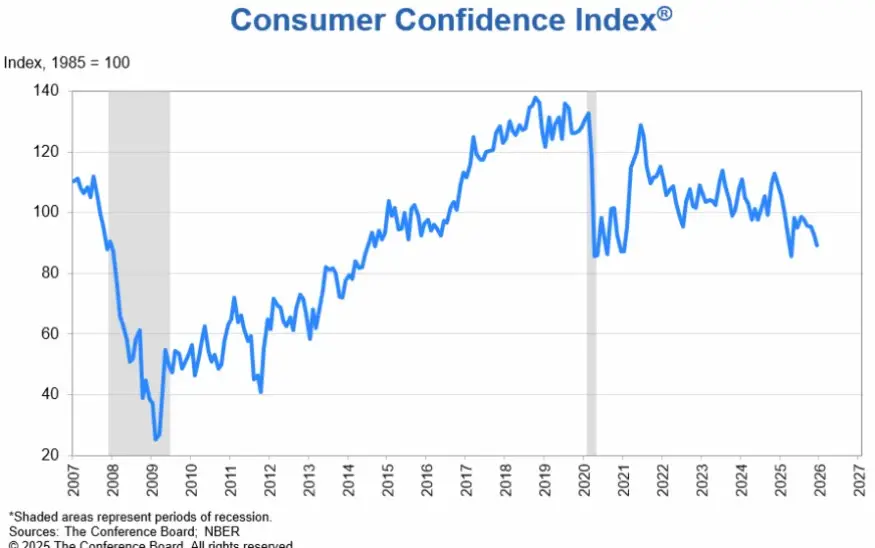
U.S. Consumer Confidence Fell Again in December