War with Iran delivers another shock to the global economy
The escalating war involving Iran is sending shockwaves through the global economy, disrupting oil markets, threatening vital shipping routes such as the Strait of Hormuz, and raising fears of inflation, supply chain disruptions, and slower global growth.
Staff Writer|U.S. Business & Economy
Mar. 11, 2026

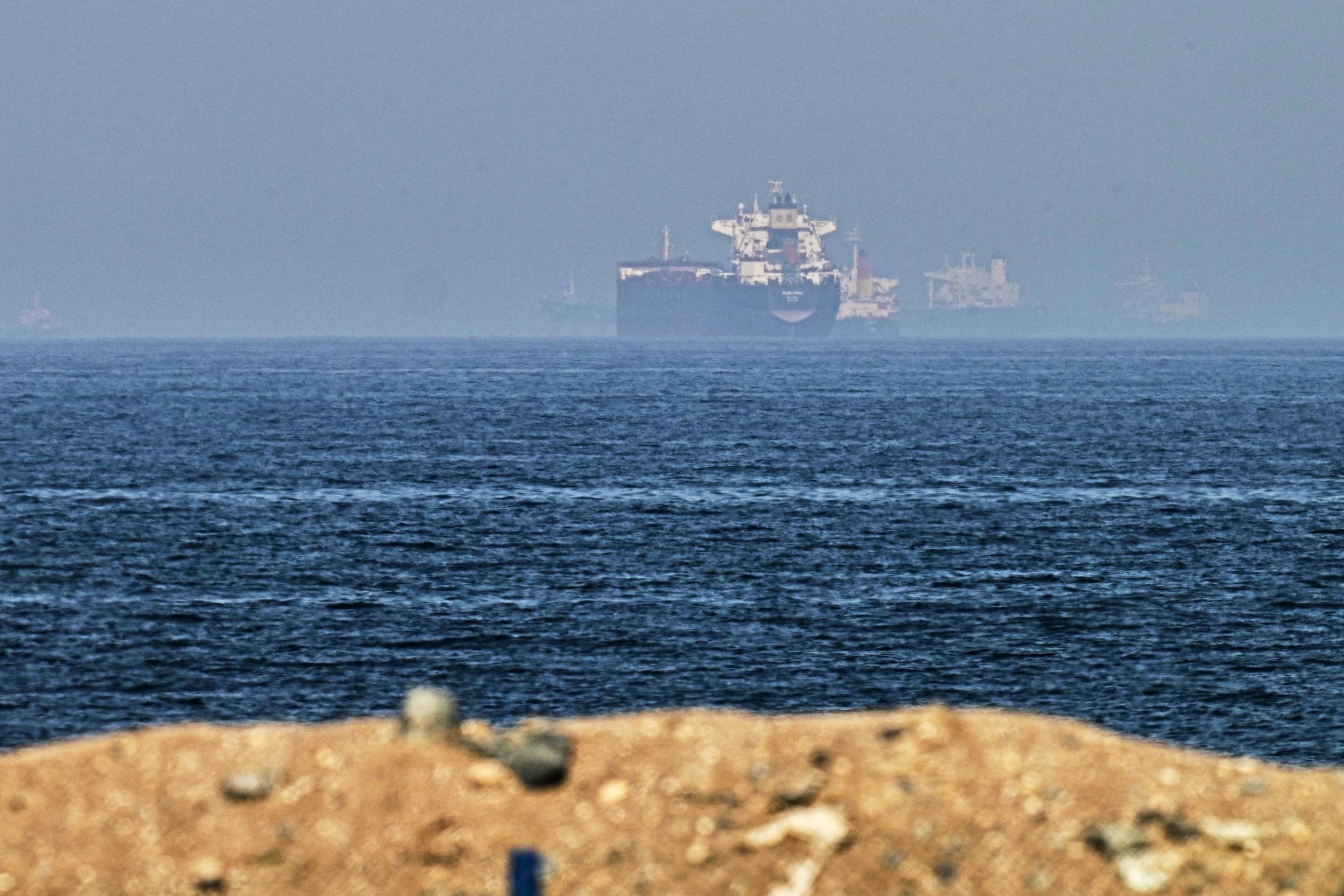
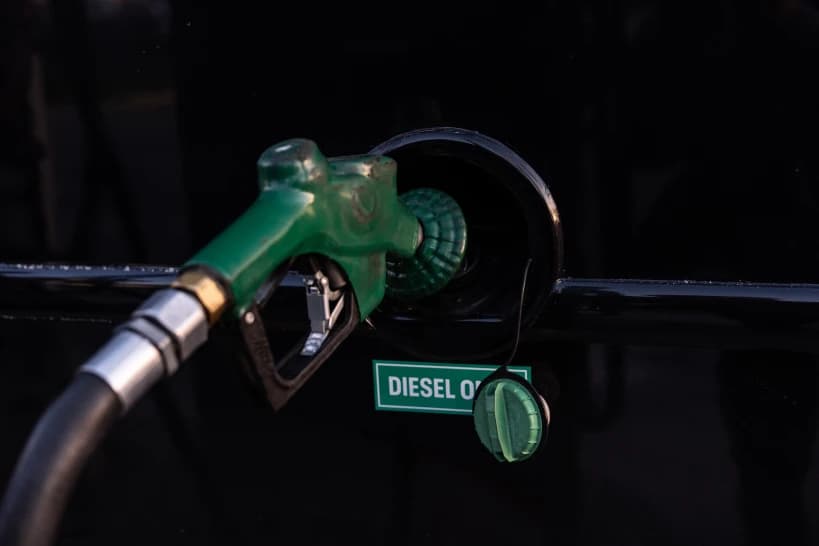
The escalating war involving Iran has delivered another major shock to the global economy, triggering turbulence across energy markets, trade routes, financial systems, and supply chains. As tensions intensify in the Middle East, the conflict has begun to affect everything from oil prices and shipping costs to inflation and economic growth forecasts worldwide. Economists warn that if the conflict continues or escalates further, the economic consequences could rival previous global crises linked to energy disruptions and geopolitical instability. One of the most immediate effects of the war has been on global energy markets. Iran sits at the heart of one of the world’s most important oil-producing regions, and any military conflict in the area immediately raises concerns about supply disruptions. Analysts note that the Strait of Hormuz, a narrow but crucial maritime chokepoint between Iran and Oman, carries roughly 20 percent of the world’s oil and liquefied natural gas shipments. When hostilities threaten shipping through this route, global markets react quickly because there are few viable alternative routes for transporting such massive energy volumes. As fighting intensified, oil prices surged sharply as traders priced in the risk of supply shortages. In early trading following the escalation of the conflict, crude oil prices jumped significantly as investors anticipated potential disruptions to supply chains and tanker movements across the Gulf region. Even temporary disruptions can trigger dramatic price swings because energy markets are highly sensitive to geopolitical risk. Analysts have warned that if the Strait of Hormuz were to be partially or fully blocked for a prolonged period, oil prices could rise above 100 dollars per barrel, adding significant inflationary pressure across the global economy. The surge in oil prices is not just a concern for energy companies and oil-producing nations. Higher oil prices ripple across the entire global economy because energy costs are embedded in transportation, manufacturing, agriculture, and nearly every other economic sector. When fuel prices rise, the cost of shipping goods increases, airlines face higher operating costs, and factories must pay more for energy to power their production lines. These increased costs are often passed on to consumers, contributing to higher inflation. Economists warn that the Iran conflict could create a new wave of cost-push inflation just as many economies were beginning to stabilize after previous inflation shocks. Central banks around the world are closely monitoring the situation because prolonged energy price spikes could force them to keep interest rates higher for longer, slowing economic growth. Some analysts have even raised the possibility of stagflation, a situation where economic growth slows while inflation remains high. Another critical economic impact of the war involves global shipping and trade routes. The Persian Gulf region is not only a major energy hub but also a key corridor for global shipping. When conflict threatens shipping lanes, insurance costs for cargo vessels rise dramatically and shipping companies often reroute vessels to avoid risk. Such changes increase transit times and raise transportation costs for global trade. Already, several shipping companies and insurers have begun limiting their operations in the region due to security concerns. This disruption has forced cargo shipments to take longer routes, increasing costs for industries that rely heavily on international trade. The global supply chain, which had only recently begun recovering from pandemic-era disruptions, now faces renewed uncertainty. The diesel market has also been severely affected by the conflict. Diesel is essential for freight transportation, agricultural machinery, and industrial operations, making it one of the most critical fuels for the global economy. Supply disruptions tied to the Middle East conflict have tightened diesel markets significantly, raising fears that shortages could slow economic activity worldwide. Analysts warn that higher diesel prices could drive up food costs, manufacturing expenses, and transportation charges simultaneously, intensifying inflationary pressures across multiple sectors. Financial markets have also reacted sharply to the geopolitical crisis.
Stock markets around the world initially dropped as investors rushed to safer assets such as gold and government bonds. Energy company stocks often rose due to higher oil prices, but broader equity markets faced volatility as investors worried about the economic consequences of prolonged conflict. Currency markets also saw shifts as investors moved toward traditional safe-haven currencies during periods of uncertainty. Emerging economies are particularly vulnerable to the economic shock triggered by the Iran conflict. Many developing countries depend heavily on imported energy, meaning rising oil prices can quickly worsen trade balances and increase government spending on fuel subsidies. Countries in Asia, including major energy importers such as India, China, Japan, and South Korea, could face significant economic pressure if oil prices remain elevated for a prolonged period. These economies rely on stable energy supplies to power their industries and maintain growth momentum. Europe also faces potential economic risks from the conflict, particularly in energy markets. Since reducing dependence on Russian energy after the Ukraine war, European countries have increasingly relied on energy imports from the Middle East. Any disruption to energy supplies from the Gulf region could force European governments to scramble for alternative sources, potentially pushing energy prices higher across the continent. The war’s impact is not limited to oil alone. Natural gas markets have also been shaken by the conflict. Attacks on energy infrastructure and the potential disruption of liquefied natural gas exports have raised concerns about supply shortages. Natural gas is essential not only for electricity generation but also for producing fertilizers and chemicals used in agriculture and manufacturing. If gas supplies are disrupted, the effects could cascade across industries and raise global food prices. Governments around the world are already preparing contingency plans to mitigate the economic impact of the conflict. Some countries are considering releasing oil from strategic petroleum reserves to stabilize markets, while others are implementing temporary fuel subsidies or price controls to protect consumers. Policymakers are also exploring diplomatic solutions to reduce tensions and restore stability in the region. However, geopolitical conflicts often create long periods of uncertainty for businesses and investors. Companies that rely on global supply chains must now prepare for potential delays, higher energy costs, and fluctuating demand conditions. Industries such as aviation, shipping, manufacturing, and logistics are especially exposed to energy price volatility and transportation disruptions. For ordinary consumers, the economic impact of the Iran war may be felt through higher fuel prices, rising grocery bills, and increased transportation costs. Inflation driven by energy shocks can reduce purchasing power and slow economic activity as households cut back on spending. Economists emphasize that the duration of the conflict will be the key factor determining the scale of the economic impact. Short-term disruptions may cause temporary price spikes and market volatility, but a prolonged war could trigger deeper structural economic consequences. If energy supply disruptions persist, global growth forecasts may need to be revised downward and financial markets could face sustained instability. Ultimately, the Iran war highlights how closely interconnected geopolitics and the global economy have become. A military conflict in one region can quickly ripple across continents through energy markets, trade networks, and financial systems. As the situation continues to unfold, governments, businesses, and investors around the world are watching closely, aware that the conflict has the potential to reshape economic conditions far beyond the Middle East.
POPULAR

Oil Prices Edge Lower, While Asian Shares Rise, Tracking Wall Street Gains

‘Aura Farming’: The Video Game-Inspired Youth Trend Sweeping Latin America