
South Korea’s Climate Pledge to Cut Coal, Lower Emissions Clash With U.S. Push for LNG Purchases
South Korea’s commitment to reduce coal use and cut emissions is increasingly at odds with U.S. pressure to boost long-term purchases of liquefied natural gas, highlighting tensions between climate goals and energy security.
Julia Thompson|Technology Reporter
Dec. 29, 2025

South Korea’s ambitious climate pledges to phase down coal use and sharply reduce greenhouse gas emissions are colliding with growing pressure from the United States to increase long-term purchases of liquefied natural gas, exposing a complex tension between decarbonization goals, energy security, and geopolitical alliances. As one of Asia’s largest energy importers, South Korea has committed to achieving carbon neutrality by mid-century, with plans to cut reliance on coal-fired power and expand renewable energy, nuclear generation, and energy efficiency measures. However, U.S. officials and energy exporters have increasingly promoted LNG as a reliable alternative to coal and a cornerstone of energy cooperation, urging Seoul to lock in long-term contracts that would support American producers and strengthen bilateral ties. While LNG emits less carbon dioxide than coal when burned, climate advocates argue that expanded gas infrastructure risks locking South Korea into fossil fuel dependence for decades, complicating its emissions-reduction pathway and undermining investments in renewables. South Korean policymakers face a delicate balancing act, as LNG plays a critical role in ensuring stable electricity supply, particularly during peak demand and periods when renewable generation fluctuates.
At the same time, domestic political pressure is growing to align energy policy more closely with climate commitments, as public concern over air quality, extreme weather, and global climate responsibility intensifies. The debate reflects broader global challenges faced by countries attempting to transition away from fossil fuels while managing economic competitiveness and diplomatic relationships. Energy analysts note that while LNG can serve as a transitional fuel, overreliance could delay the deployment of cleaner technologies and increase long-term costs if global climate regulations tighten further. For the United States, promoting LNG exports aligns with economic interests and strategic influence, but it also raises questions about consistency with international climate objectives. As negotiations and policy decisions continue, South Korea’s experience illustrates the difficult trade-offs confronting governments navigating the energy transition, where climate ambition, market realities, and geopolitical pressures increasingly intersect.
POPULAR

White House Defends Trump Pardon of Wanda Vázquez
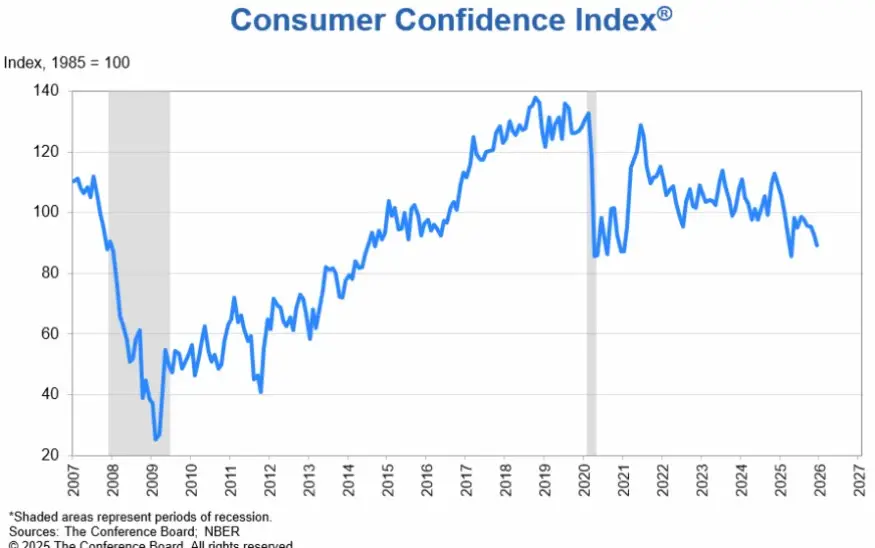
U.S. Consumer Confidence Fell Again in December