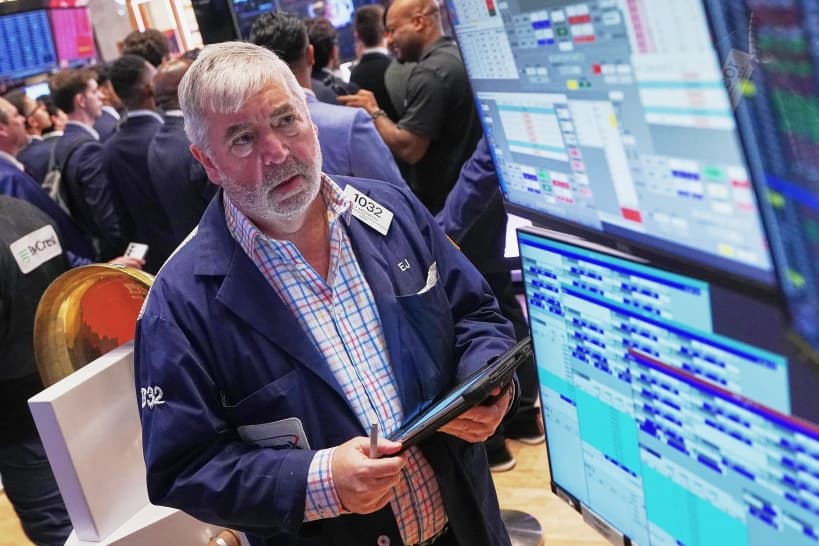
AI Spending, Strong Corporate Profits, Fed Rate Cuts Seen as Key to 2026 U.S. Stock Market
Heavy investment in artificial intelligence, resilient corporate earnings, and expected Federal Reserve rate cuts are shaping investor optimism for U.S. stocks in 2026.
James K. Thornton|World Affairs Editor
Jan. 1, 2026

Artificial intelligence investment, strong corporate profits, and anticipated interest rate cuts from the Federal Reserve are widely viewed by investors as the main forces shaping the outlook for the U.S. stock market in 2026, following a year of outsized gains and renewed confidence. Wall Street strategists say spending tied to AI infrastructure, software, and data centers continues to drive growth expectations, particularly for technology companies and firms positioned to benefit indirectly through productivity gains and efficiency improvements. Corporate earnings have shown resilience despite economic uncertainty, supported by steady consumer demand, cost controls, and pricing power, reinforcing the case that profits can continue to grow even as the economy cools modestly. At the same time, expectations that the Federal Reserve will begin cutting interest rates in 2026 have improved sentiment, as lower borrowing costs could support valuations, encourage investment, and provide relief to interest-sensitive sectors such as housing and small-cap stocks. Investors are increasingly betting that easing inflation will give the Fed room to shift policy without triggering a recession, a so-called soft landing that markets have been anticipating for years.
Analysts caution, however, that risks remain, including stretched valuations in parts of the market, geopolitical tensions, and uncertainty over how durable AI-driven growth will be once initial infrastructure buildouts mature. Still, many portfolio managers argue that the combination of technological transformation, solid earnings fundamentals, and a more accommodative monetary backdrop creates a supportive environment for equities. As 2026 begins, market participants are closely watching economic data, corporate guidance, and Fed communications for confirmation that these pillars remain intact. The interplay between AI spending, profit growth, and monetary policy is expected to define market leadership and volatility in the year ahead, shaping whether U.S. stocks can extend their momentum or face a more uneven path forward.
POPULAR

US Stocks Rally Near Record Highs as Falling Oil Prices Ease Inflation Concerns on Wall Street

Houthis Attack Two Saudi Oil Tankers in Red Sea, Raising Fears of New Front in Iran War