
One technology Tip: Do’s and Don’ts of Using AI to Help With Schoolwork
Artificial intelligence can be a helpful study tool, but students need to understand the do’s and don’ts to use AI responsibly without crossing academic integrity lines.
Julia Thompson|Technology Reporter
Nov. 20, 2025

Artificial intelligence is increasingly finding its way into classrooms and study routines, offering students powerful tools to brainstorm ideas, clarify concepts, and organize information, but experts say knowing how to use AI responsibly is essential to avoid academic and ethical pitfalls. One of the key do’s of using AI for schoolwork is treating it as a support tool rather than a replacement for learning, such as using it to explain difficult topics, summarize readings for comprehension, or generate practice questions that reinforce understanding. AI can also help students improve writing by offering feedback on structure, clarity, and grammar, provided the final work reflects the student’s own thinking and voice. On the other hand, a major don’t is submitting AI-generated text as original work, which many schools consider plagiarism and a violation of academic integrity policies. Educators warn that relying on AI to complete assignments undermines critical thinking skills and can leave students unprepared for exams or real-world problem solving. Another important consideration is accuracy, as AI tools can produce confident but incorrect answers, making it essential for students to fact-check information against reliable sources.
Privacy is also a concern, with experts advising students not to share personal data, school login details, or sensitive information when using AI platforms. Teachers increasingly encourage transparency, urging students to ask whether AI use is allowed for specific assignments and, when permitted, to acknowledge how it was used. As schools adapt to the rapid rise of AI, the goal is not to ban the technologynology outright but to help students develop digital literacy and ethical judgment. Used thoughtfully, AI can enhance learning and efficiency, but misused, it risks eroding trust and educational value. Understanding these do’s and don’ts can help students navigate AI as a helpful assistant rather than a shortcut that ultimately hinders their academic growth.
POPULAR

White House Defends Trump Pardon of Wanda Vázquez
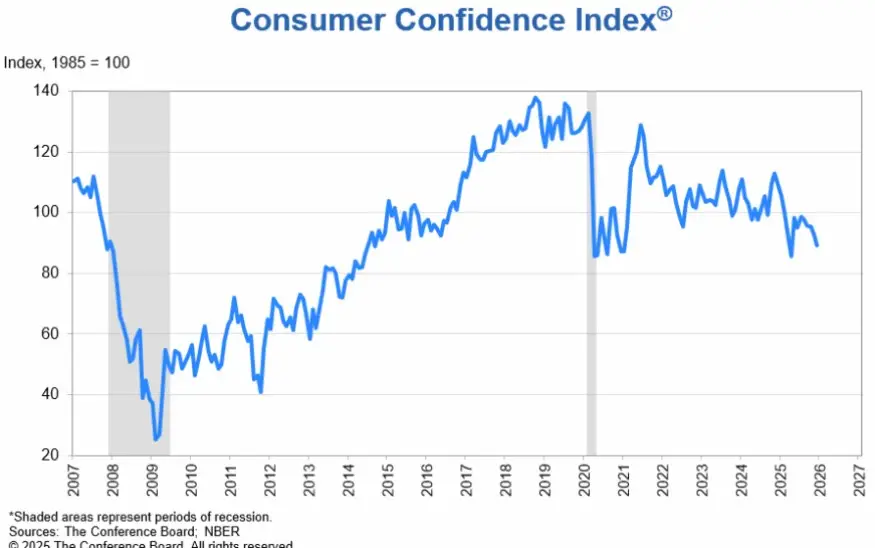
U.S. Consumer Confidence Fell Again in December