US–Iran Talks in Limbo as Hormuz Blockade Persists; Trump Sends Delegation to Pakistan
Tensions between the United States and Iran remain high as the Strait of Hormuz blockade continues, disrupting global shipping. While Donald Trump confirms a US delegation will travel to Pakistan for talks, Tehran signals reluctance to participate, raising doubts over diplomatic progress.
Julia Thompson|Technology Reporter
April. 20, 2026

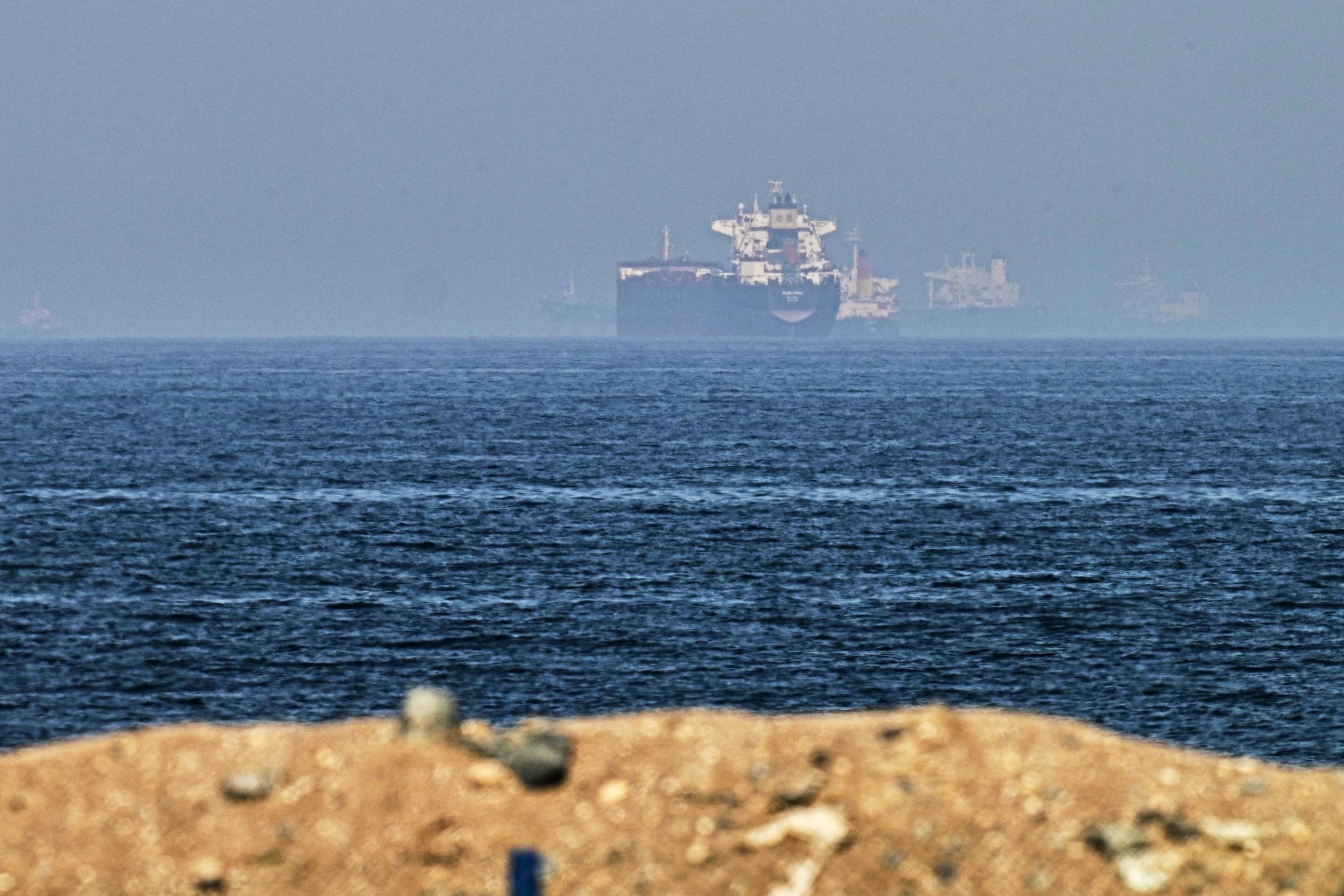
The ongoing geopolitical tensions between the United States and Iran have entered a highly volatile and uncertain phase, with the situation in April 2026 reflecting a fragile mix of military escalation, strained diplomacy, and global economic anxiety centered around the strategically critical Strait of Hormuz. This narrow waterway, which serves as one of the most vital arteries for global oil transportation, has become the focal point of renewed confrontation as a continuing blockade disrupts commercial shipping and raises fears of broader conflict. The United States, under the leadership of Donald Trump, has maintained a hardline stance by enforcing maritime restrictions targeting Iranian-linked vessels, a move Washington justifies as necessary for regional security and enforcement of international norms, while Tehran has condemned it as an unlawful act of aggression and economic warfare. The blockade has caused widespread disruption, with shipping companies rerouting vessels, delaying cargo, or navigating the strait under heightened alert due to reports of military presence, warning shots, and confusion regarding safe passage protocols, all of which have contributed to rising global oil prices and increased market volatility. Tensions escalated further when U.S. forces intercepted and seized an Iranian-flagged vessel accused of attempting to breach the blockade, marking a significant flashpoint that underscored the risk of direct confrontation; Iran responded sharply, labeling the act as piracy and accusing the United States of violating the terms of an already fragile ceasefire agreement that had been intended to provide a window for diplomatic negotiations. This ceasefire, which was brokered under mounting international pressure, now appears increasingly tenuous as both sides trade accusations of violations, with Washington asserting that its actions are defensive and necessary, while Tehran insists that continued military pressure undermines any meaningful path toward diplomacy. Against this backdrop, diplomatic efforts have shifted toward Pakistan, where the United States has announced plans to send a delegation in hopes of restarting negotiations, positioning Islamabad as a potential mediator capable of facilitating dialogue between the two adversaries; however, Iran has expressed skepticism about participating in these talks, citing a lack of trust in U.S. intentions and pointing to the ongoing blockade and recent military actions as evidence that Washington is not negotiating in good faith. Pakistan’s role as an intermediary is significant, given its strategic relationships and regional influence, yet its ability to bring both parties to the table remains uncertain, particularly as Iranian officials have publicly indicated reluctance to engage under what they perceive as coercive conditions. The broader implications of this standoff extend far beyond bilateral relations, affecting global energy markets, international shipping security, and regional stability across the Middle East, as the Strait of Hormuz handles a substantial portion of the world’s oil exports, making any sustained disruption a matter of global concern; already, fluctuations in oil prices have reflected investor anxiety, with markets reacting sharply to each development, from naval confrontations to diplomatic announcements.
The situation also highlights the delicate balance between military strategy and diplomatic engagement, as the United States appears to be employing a dual approach that combines pressure tactics with offers of negotiation, aiming to compel Iran into concessions while maintaining a posture of strength, whereas Iran has sought to leverage its strategic position by signaling its ability to disrupt maritime traffic and impose economic costs on its adversaries, thereby asserting its own form of deterrence. This interplay of pressure and resistance creates a high-risk environment in which miscalculations or unintended incidents could rapidly escalate into a broader conflict, particularly given the proximity of military forces and the strategic importance of the region. Meanwhile, the international community watches closely, with major economies and energy-dependent nations urging restraint and emphasizing the importance of maintaining open shipping lanes, as prolonged instability in the Strait of Hormuz could have cascading effects on global supply chains, inflation, and economic growth. Within this context, the upcoming diplomatic initiative in Pakistan represents both an opportunity and a challenge, as its success will depend on whether both sides are willing to compromise and rebuild a minimum level of trust, something that currently appears in short supply given the recent escalation of tensions and conflicting narratives. Iran’s leadership has reiterated its commitment to diplomacy in principle but has also made clear that negotiations must occur under conditions of mutual respect and without external pressure, a stance that directly clashes with the U.S. approach of maintaining sanctions and military measures during talks. The United States, on the other hand, has emphasized the need for Iran to demonstrate compliance with international expectations before any easing of restrictions can be considered, creating a deadlock that complicates efforts to move forward. As the ceasefire deadline approaches, the urgency of finding a resolution becomes increasingly apparent, with the risk of renewed hostilities looming large if diplomatic efforts fail to yield progress; analysts warn that even a limited escalation could have significant consequences, given the strategic importance of the region and the potential for involvement by other regional actors. The current crisis thus represents a complex convergence of geopolitical rivalry, economic interests, and strategic calculations, in which both the United States and Iran are navigating a delicate balance between asserting their positions and avoiding a full-scale conflict that neither side may ultimately desire. The coming days are likely to be निर्णative in shaping the trajectory of this standoff, as developments in the Strait of Hormuz and the outcome of the proposed talks in Pakistan will determine whether tensions can be de-escalated or whether the situation will continue to deteriorate, with far-reaching implications for regional and global stability.
POPULAR

Oil Prices Edge Lower, While Asian Shares Rise, Tracking Wall Street Gains

‘Aura Farming’: The Video Game-Inspired Youth Trend Sweeping Latin America