US Navy Seizes Another Iran-Linked Oil Tanker Amid Escalating Maritime Tensions
The United States military has seized another oil tanker allegedly tied to Iranian oil smuggling in the Indian Ocean, intensifying its crackdown on Tehran’s maritime operations and raising concerns over global energy security.
Allison Carter|Business & Finance Writer
April. 23, 2026

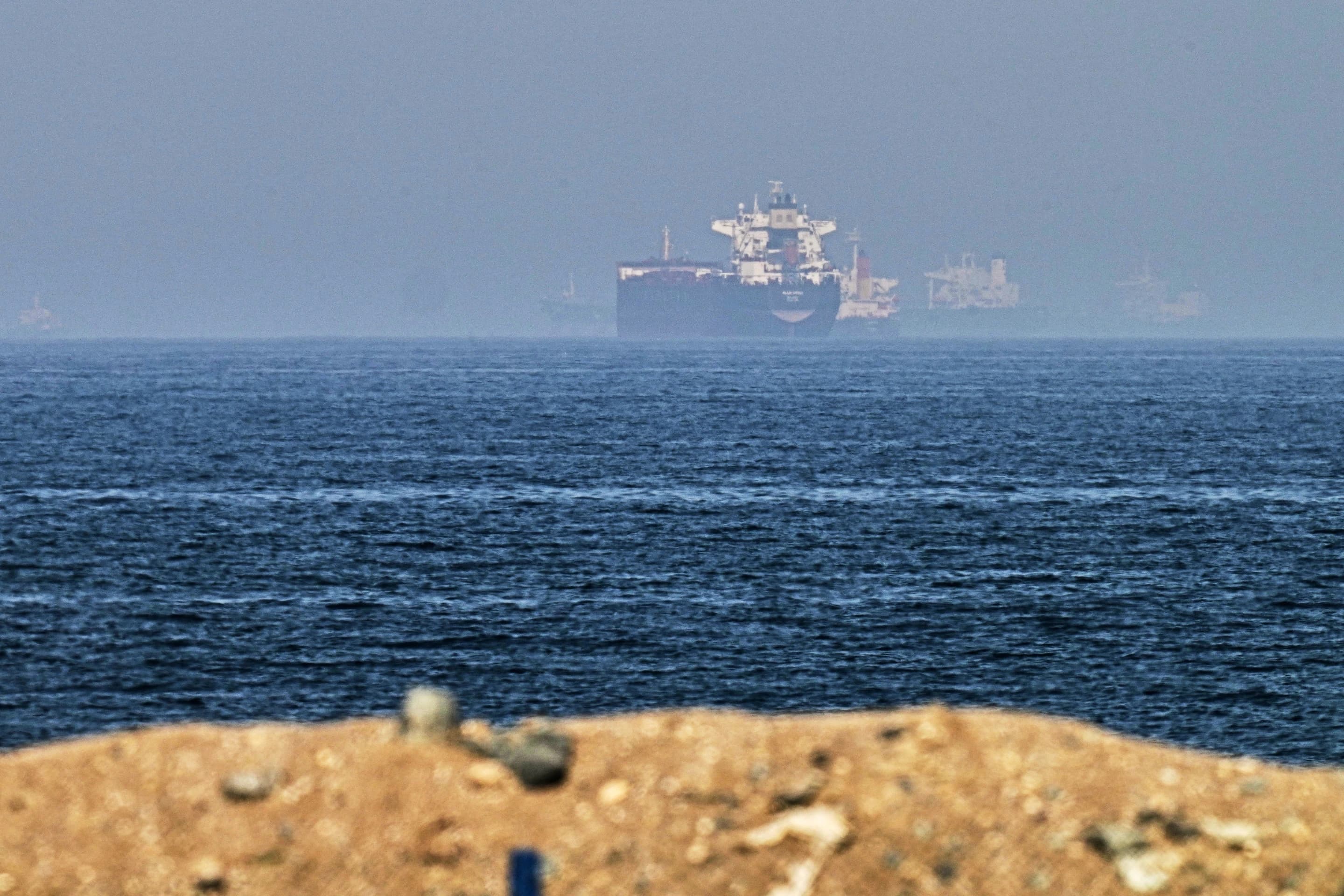
The United States military has seized another oil tanker allegedly linked to Iranian oil exports, marking a significant escalation in ongoing maritime tensions between Washington and Tehran and underscoring the fragile geopolitical situation surrounding global energy routes, particularly in and around the strategically vital Indian Ocean and the Strait of Hormuz, where a substantial portion of the world’s oil supply passes each day; according to U.S. defense officials, the tanker identified as the Majestic X, a vessel previously sanctioned for its involvement in transporting Iranian crude oil in violation of U.S. sanctions, was intercepted and boarded by American forces in international waters as part of a broader campaign aimed at disrupting illicit oil networks that allegedly fund Iran’s government and affiliated organizations, an operation that reflects Washington’s increasingly assertive stance in enforcing economic restrictions on Tehran amid an already volatile regional conflict involving Iran, the United States, and allied nations; the seizure took place within the operational jurisdiction of the U.S. Indo-Pacific Command, highlighting how the enforcement campaign has expanded beyond the Middle East into wider international waters in an effort to intercept vessels before they can reach their destinations, often in Asia, where Iranian oil has historically found buyers despite sanctions, and officials indicated that the tanker was en route toward China when it was stopped, emphasizing the global scale of the enforcement effort and its potential implications for international trade and diplomatic relations; the incident follows closely on the heels of similar operations in which U.S.
forces detained or redirected multiple vessels suspected of carrying Iranian oil, including another tanker known as the Tifani, demonstrating a clear pattern of increased maritime intervention that aligns with Washington’s stated goal of cutting off revenue streams to Iran’s leadership, particularly in the context of ongoing disputes over nuclear development, regional influence, and alleged support for proxy groups; the broader backdrop to these developments includes heightened tensions in the Strait of Hormuz, a narrow but crucial waterway through which approximately 20 percent of the world’s oil supply flows, making it one of the most strategically important chokepoints in global commerce, and recent incidents have seen Iranian forces seize or attack commercial vessels, raising fears of a wider disruption to shipping and energy markets, while the United States has responded by increasing its naval presence and implementing measures described as a maritime blockade aimed at preventing Iran-linked shipments from leaving or entering key routes; these actions have contributed to significant volatility in global oil prices, with benchmarks rising sharply amid concerns over supply disruptions and the potential for further escalation, and analysts warn that continued confrontations at sea could have far-reaching consequences not only for energy markets but also for broader economic stability, as increased shipping risks drive up insurance costs, delay deliveries, and strain already fragile supply chains; the U.S. government has defended its actions as necessary to enforce international law and prevent the circumvention of sanctions, with officials stating that vessels involved in illicit oil transfers often employ deceptive practices such as disabling tracking systems, conducting ship-to-ship transfers, or operating under false flags to evade detection, and the Majestic X itself had previously been flagged by authorities for such activities, reinforcing the rationale behind its interception; however, critics argue that such operations risk escalating tensions further and could be perceived as provocative or even unlawful by other nations, particularly if conducted in contested or sensitive regions, and Iran has historically condemned similar seizures as acts of piracy or aggression, although it had not immediately responded to this latest incident at the time of reporting; the situation is further complicated by the existence of a tenuous ceasefire between the United States and Iran, which has been strained by repeated incidents at sea and conflicting interpretations of what actions are permissible under the agreement, with both sides accusing each other of violations, and diplomatic efforts to stabilize the region have thus far yielded limited results, as trust remains low and key issues remain unresolved; in addition to the geopolitical ramifications, the seizure also highlights the evolving nature of modern maritime enforcement, where military operations are increasingly used to achieve economic and strategic objectives, blurring the lines between traditional naval warfare and law enforcement activities, and the use of advanced surveillance, intelligence gathering, and rapid deployment capabilities has enabled the United States to track and intercept vessels across vast distances, demonstrating a level of operational reach that few other nations can match; the involvement of multiple agencies, including the Department of Defense and other federal entities, underscores the complexity of these operations and the coordination required to execute them effectively, particularly in international waters where legal frameworks can be ambiguous and subject to differing interpretations; the impact on global shipping has been immediate, with reports indicating that dozens of vessels have been forced to alter their routes, delay departures, or return to port due to the heightened risk environment, and shipping companies are increasingly wary of operating in affected regions, leading to disruptions that extend beyond the energy sector to include goods ranging from consumer products to industrial materials; insurance premiums for vessels transiting through high-risk areas have surged, adding to the cost burden and further complicating logistics for businesses already grappling with economic uncertainty; meanwhile, energy-importing countries are closely monitoring the situation, as any sustained disruption to oil flows could have significant implications for domestic fuel prices, inflation, and economic growth, particularly in regions heavily dependent on imports from the Middle East; the seizure of the Majestic X also raises questions about the long-term effectiveness of sanctions as a tool of foreign policy, as Iran has demonstrated an ability to adapt its strategies and continue exporting oil through alternative channels, often involving a network of intermediaries and covert operations designed to bypass restrictions, and while U.S. actions may temporarily disrupt these activities, they also risk prompting further innovation and resilience on the part of those seeking to evade sanctions; at the same time, the broader conflict between the United States and Iran remains deeply rooted in a complex web of political, ideological, and strategic factors, including disagreements over nuclear capabilities, regional influence, and the balance of power in the Middle East, making it unlikely that maritime enforcement alone will resolve underlying tensions; as the situation continues to evolve, the international community faces the challenge of balancing the need for security and stability with the imperative to maintain open and lawful trade routes, and efforts to de-escalate tensions will likely require renewed diplomatic engagement, confidence-building measures, and a willingness from all parties to address core issues through الحوار rather than confrontation; in the meantime, the seizure of another Iran-linked tanker serves as a stark reminder of the ongoing volatility in global maritime domains and the far-reaching consequences that such actions can have, not only for the الدول directly involved but for the global economy as a whole, as the world watches closely to see whether these developments will lead to further escalation or pave the way for a more stable and cooperative framework for managing one of the most critical regions in international التجارة and energy supply.
POPULAR

‘Aura Farming’: The Video Game-Inspired Youth Trend Sweeping Latin America

Rescuers Saved Some 80 People in Grand Canyon Floods That Left 2 Dead and 1 Missing, Officials Say